

What is House-side Shield
A house-side shield is a device or component specifically designed to address the issue of unwanted light spillage onto private property behind a streetlight. It is typically installed on the side of the streetlight that faces residential properties or homes. The primary purpose of a house-side shield is to minimize light glare and ensure the safety of residents while still allowing the light from the streetlight to be visible from their homes.
The decision to install a house-side shield is typically made by relevant authorities, such as the Portland Bureau of Transportation (PBOT) Signals and Street Lighting (SSL) team, who evaluate its effectiveness in reducing unwanted light and maintaining safety. If approved, an electrician is usually requested to install the house-side shield as a courtesy.
Inspírese con los catálogos de sensores de movimiento de Rayzeek.
¿No encuentra lo que busca? No se preocupe. Siempre hay formas alternativas de resolver sus problemas. Quizás uno de nuestros catálogos pueda ayudarle.
The house-side shield serves as a means to control the direction of light emitted by the streetlight, preventing it from directly entering residential windows or causing unnecessary light pollution. By effectively redirecting or reducing the light spill behind the pole, the house-side shield helps to create a more comfortable and visually appealing environment for residents.
Quizás le interese

- Sensor de presencia PIR para montaje en techo con salida de relé de contacto seco
- Alimentación de bajo voltaje de 12/24VDC o 12/24VAC
- Contactos de relé aislados COM, NO y NC para entradas de EMS, HVAC y control de edificios

- Interruptor sensor de movimiento por microondas empotrable en techo de bajo voltaje DC
- Entrada de 12 VDC / 24 VDC con rango de 10-30 VDC
- Corriente de funcionamiento máxima de 10A con retardo de tiempo, umbral de Lux y sensibilidad ajustables
- Interruptor sensor de movimiento por microondas empotrable en techo para cargas más altas
- Entrada de voltaje de línea de 100-265 VAC, modelo de 10A
- Detección por microondas de 5.8 GHz con retardo de tiempo, umbral de Lux y sensibilidad ajustables
- Interruptor sensor de movimiento por microondas empotrable en techo
- Entrada de voltaje de línea de 100-265 VAC, modelo de 5A
- Detección por microondas de 5.8 GHz con retardo de tiempo, umbral de Lux y sensibilidad ajustables
- Dimmer sensor de presencia PIR RZ037 para montaje en techo para alimentación de 220V
- Corriente de funcionamiento máxima de 3A con carga nominal de 660W
- El botón LUX controla el encendido/apagado del sensor de luz y el brillo de regulación establecido por el usuario
- Dimmer sensor de presencia PIR RZ037 para montaje en techo para alimentación de 110V
- Corriente de funcionamiento máxima de 3A con carga nominal de 330W
- El botón LUX controla el encendido/apagado del sensor de luz y el brillo de regulación establecido por el usuario

- Interruptor de sensor de movimiento por microondas de techo de CC de bajo voltaje
- Entrada de 12 VDC / 24 VDC con rango de 10-30 VDC
- Corriente de funcionamiento máxima de 10A con retardo de tiempo, umbral de Lux y sensibilidad ajustables
- Interruptor de sensor de movimiento por microondas de techo para cargas más altas
- Entrada de voltaje de línea de 100-265 VAC, modelo de 10A
- Detección por microondas de 5.8 GHz con retardo de tiempo, umbral de Lux y sensibilidad ajustables
- Interruptor de sensor de movimiento por microondas de techo
- Entrada de voltaje de línea de 100-265 VAC, modelo de 5A
- Detección por microondas de 5.8 GHz con retardo de tiempo, umbral de Lux y sensibilidad ajustables

- Interruptor de sensor de movimiento PIR de techo empotrado de CC de bajo voltaje
- Entrada de 12 VDC / 24 VDC con rango de 10-30 VDC
- Corriente de trabajo máxima de 10A con retardo de tiempo, umbral de Lux y sensibilidad ajustables

- Interruptor de sensor de movimiento PIR de techo empotrado para cargas más altas
- Entrada de voltaje de línea de 100-265 VAC, modelo de 10A
- Detección de 360 grados con retardo de tiempo, umbral de Lux y sensibilidad ajustables
- Interruptor de sensor de movimiento PIR de techo empotrado
- Entrada de voltaje de línea de 100-265 VAC, modelo de 5A
- Detección de 360 grados con retardo de tiempo, umbral de Lux y sensibilidad ajustables

- Kit de receptor e interruptor inalámbrico para control de iluminación de encendido/apagado en interiores
- Receptor de 100-230VAC, 50/60Hz con corriente nominal de 5A
- Interruptor inalámbrico alimentado por CR2032 con comunicación de 2.4GHz
- Presencia (Encendido automático/Apagado automático)
- 12–24V DC (10–30VDC), hasta 10A
- Cobertura de 360°, 8–12 m de diámetro
- Retardo de tiempo de 15 s–30 min
- Sensor de luz Apagado/15/25/35 Lux
- Sensibilidad Alta/Baja
- Modo de presencia de encendido automático/apagado automático
- 100–265V AC, 10A (requiere neutro)
- Cobertura de 360°; diámetro de detección de 8–12 m
- Retardo de tiempo de 15 s–30 min; Lux APAGADO/15/25/35; Sensibilidad Alta/Baja
- Modo de presencia de encendido automático/apagado automático
- 100–265V CA, 5A (se requiere neutro)
- Cobertura de 360°; diámetro de detección de 8–12 m
- Retardo de tiempo de 15 s–30 min; Lux APAGADO/15/25/35; Sensibilidad Alta/Baja
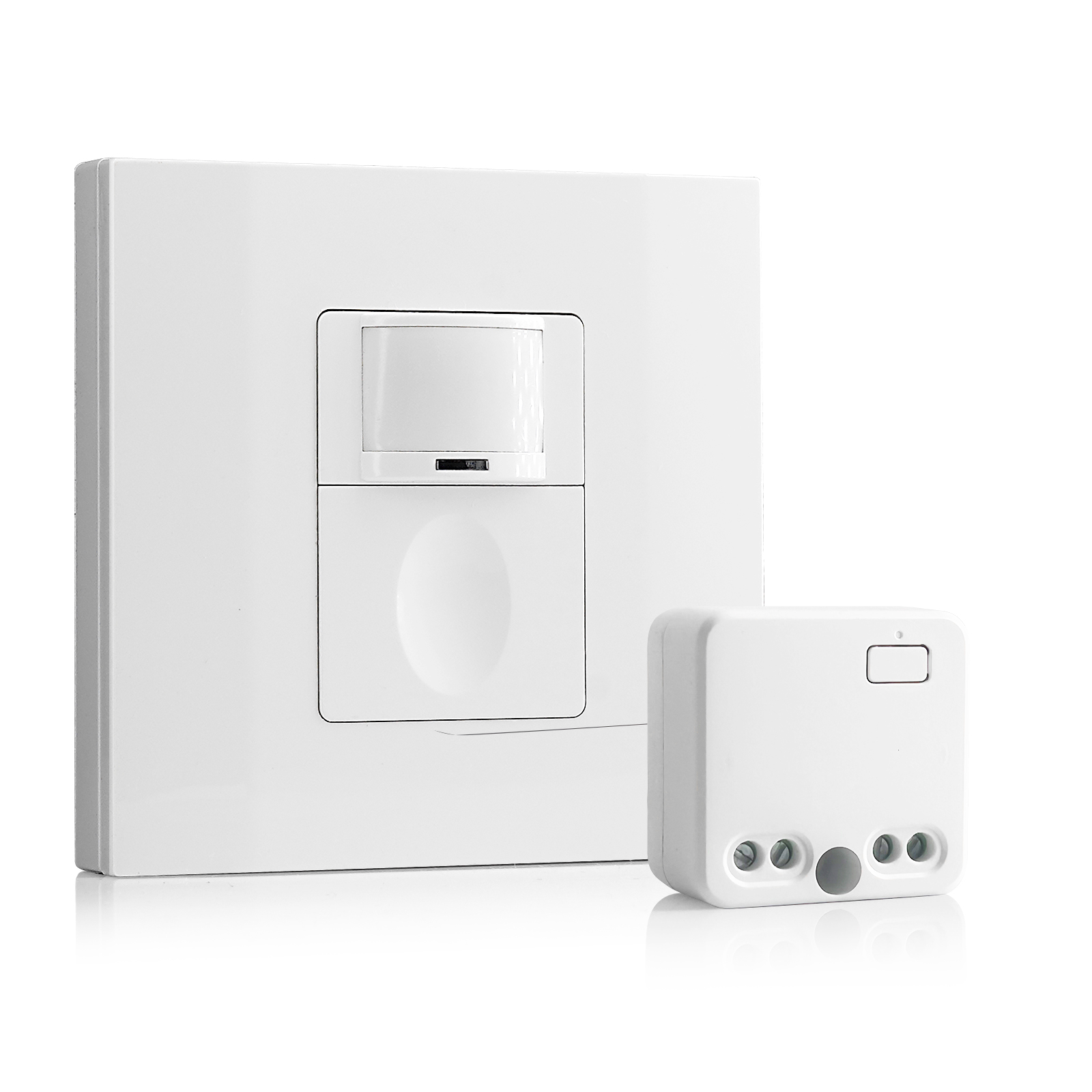
- 100V-230V CA
- Distancia de transmisión: hasta 20 m
- Sensor de movimiento inalámbrico
- Control cableado
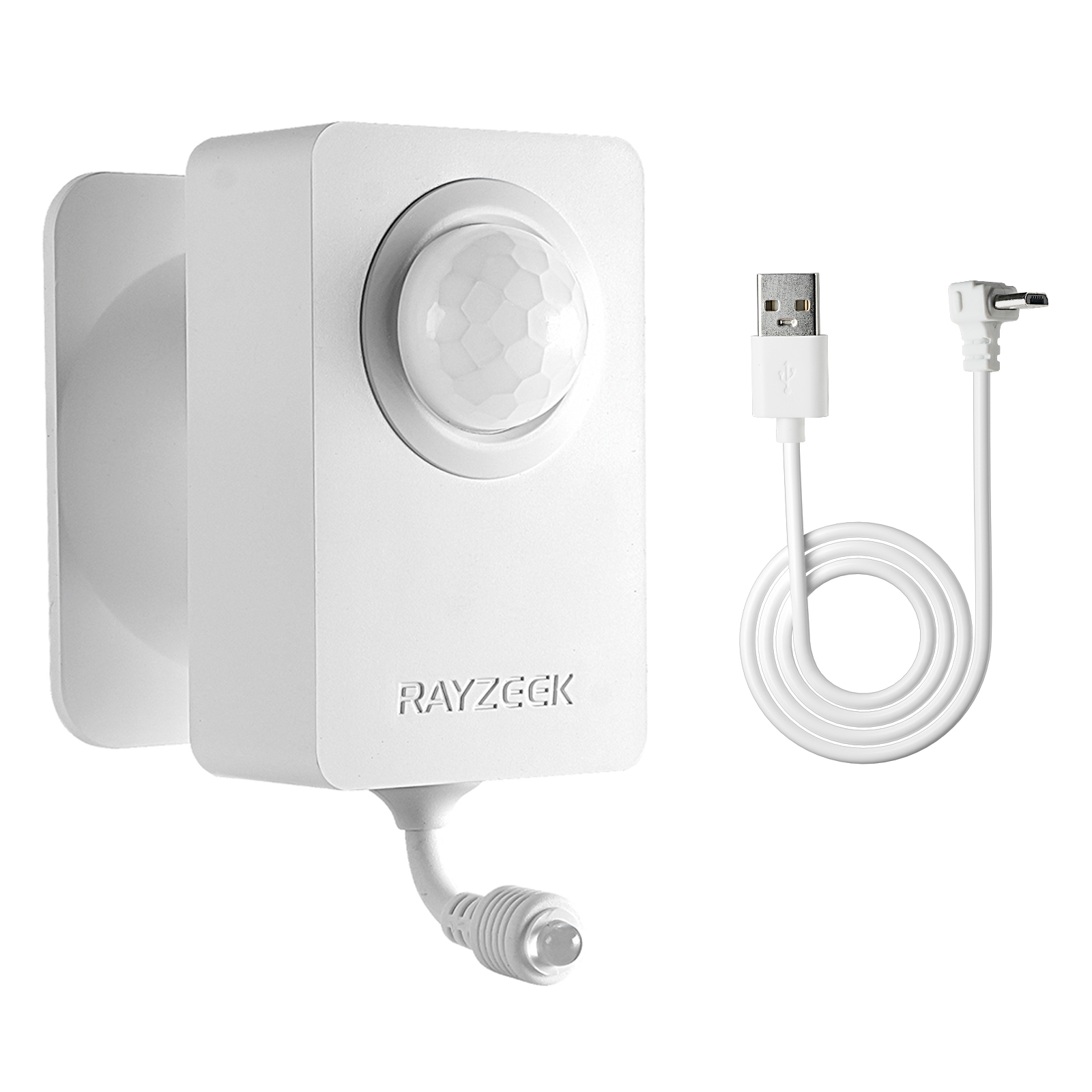
- Voltaje: 2 baterías AAA / 5V CC (Micro USB)
- Modo día/noche
- Tiempo de retardo: 15 min, 30 min, 1 h (por defecto), 2 h
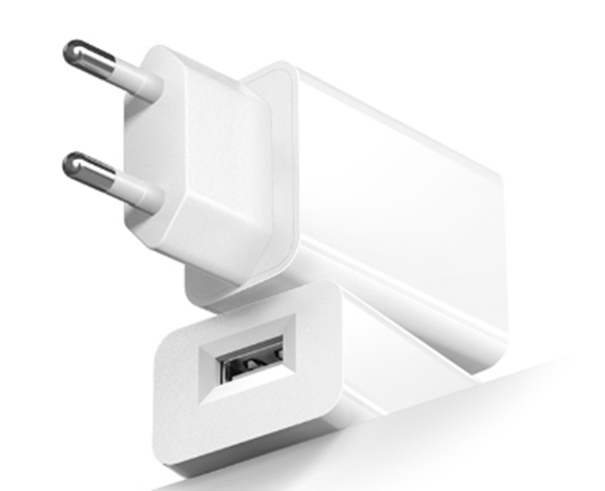
- Adaptador de corriente con enchufe de la UE
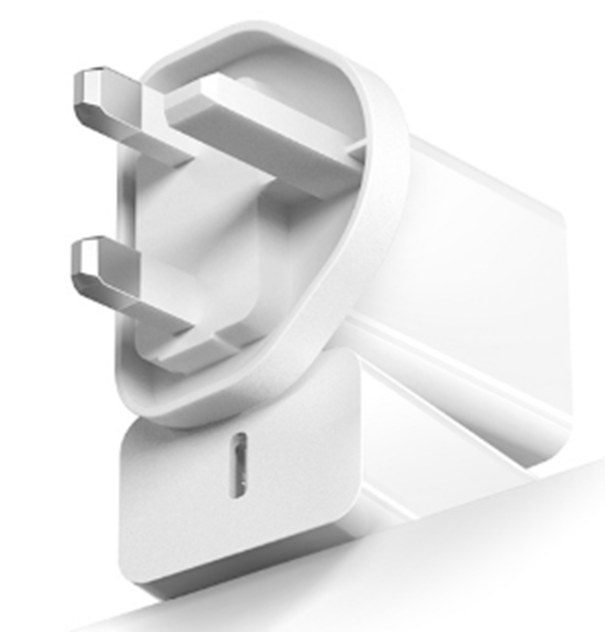
- Adaptador de corriente con enchufe del Reino Unido
Frequently Asked Questions
What Does a Light Shield Do
The light shield serves as a protective barrier that prevents the outdoor LED Parking Lot light or led wall light from emitting rays in unwanted directions. It effectively blocks the light from trespassing and can be adjusted to restrict the direction of the outdoor light.
What Is a Street Light Shield
A street light shield refers to a protective barrier installed on the side of a house facing the light. Its purpose is to reduce the amount of unwanted light that spills onto private property located behind the light. The evaluation of shield requests is carried out by a member of the Portland Bureau of Transportation (PBOT) Signals and Street Lighting (SSL) team.
How Do You Get a Street Light Shield
Shields for streetlights can be obtained from various streetlight manufacturers, despite the possibility of your local utility discouraging it. It is important to remain persistent in your request, as you did not request for your yard or home to be illuminated.
Why Do Traffic Lights Have Shields
“The shields serve multiple purposes: 1) enhancing the visibility of the lights for drivers approaching them; 2) minimizing glare caused by external light sources like the sun; and 3) preventing drivers on nearby streets from being distracted by conflicting traffic movements,” she explained.
What to Do if Neighbors Lights Too Bright
Jody Prunier, associate director of California Lawyers for the Arts, a legal and mediation service, suggests that you could consider approaching your neighbors directly by knocking on their door, calling or emailing them, or even sending a letter to express your concerns about the excessive brightness of their lights and request a discussion.
Is It Illegal to Shine a Light in Someone’s Window
Like noise pollution, courts in most parts of the United States consider shining a light in someone’s window as a form of “nuisance”. A nuisance refers to any behavior that disrupts a neighbor’s ability to use or enjoy their property.
Do Street Lights Cause Light Pollution
Millions of street lights in our cities emit light that is not fully utilized for illuminating streets or sidewalks. Instead, a significant portion of this light is lost and emitted above the horizon, resulting in the brightening of the night sky. This phenomenon is commonly referred to as light pollution.







