
What is Damp Location
Damp location is an interior or exterior area that is periodically or regularly exposed to moisture condensation on, in, or near electrical equipment. These locations can also include partially protected regions. Damp locations are characterized by the presence of moisture, high humidity, or the potential for condensation, but not direct contact with water. Examples of damp locations include bathrooms, laundry rooms, and covered outdoor areas like patios and porches.
Quizás le interese

- Sensor de presencia PIR para montaje en techo con salida de relé de contacto seco
- Alimentación de bajo voltaje de 12/24VDC o 12/24VAC
- Contactos de relé aislados COM, NO y NC para entradas de EMS, HVAC y control de edificios

- Interruptor sensor de movimiento por microondas empotrable en techo de bajo voltaje DC
- Entrada de 12 VDC / 24 VDC con rango de 10-30 VDC
- Corriente de funcionamiento máxima de 10A con retardo de tiempo, umbral de Lux y sensibilidad ajustables
- Interruptor sensor de movimiento por microondas empotrable en techo para cargas más altas
- Entrada de voltaje de línea de 100-265 VAC, modelo de 10A
- Detección por microondas de 5.8 GHz con retardo de tiempo, umbral de Lux y sensibilidad ajustables
- Interruptor sensor de movimiento por microondas empotrable en techo
- Entrada de voltaje de línea de 100-265 VAC, modelo de 5A
- Detección por microondas de 5.8 GHz con retardo de tiempo, umbral de Lux y sensibilidad ajustables
- Dimmer sensor de presencia PIR RZ037 para montaje en techo para alimentación de 220V
- Corriente de funcionamiento máxima de 3A con carga nominal de 660W
- El botón LUX controla el encendido/apagado del sensor de luz y el brillo de regulación establecido por el usuario
- Dimmer sensor de presencia PIR RZ037 para montaje en techo para alimentación de 110V
- Corriente de funcionamiento máxima de 3A con carga nominal de 330W
- El botón LUX controla el encendido/apagado del sensor de luz y el brillo de regulación establecido por el usuario

- Interruptor de sensor de movimiento por microondas de techo de CC de bajo voltaje
- Entrada de 12 VDC / 24 VDC con rango de 10-30 VDC
- Corriente de funcionamiento máxima de 10A con retardo de tiempo, umbral de Lux y sensibilidad ajustables
- Interruptor de sensor de movimiento por microondas de techo para cargas más altas
- Entrada de voltaje de línea de 100-265 VAC, modelo de 10A
- Detección por microondas de 5.8 GHz con retardo de tiempo, umbral de Lux y sensibilidad ajustables
- Interruptor de sensor de movimiento por microondas de techo
- Entrada de voltaje de línea de 100-265 VAC, modelo de 5A
- Detección por microondas de 5.8 GHz con retardo de tiempo, umbral de Lux y sensibilidad ajustables

- Interruptor de sensor de movimiento PIR de techo empotrado de CC de bajo voltaje
- Entrada de 12 VDC / 24 VDC con rango de 10-30 VDC
- Corriente de trabajo máxima de 10A con retardo de tiempo, umbral de Lux y sensibilidad ajustables

- Interruptor de sensor de movimiento PIR de techo empotrado para cargas más altas
- Entrada de voltaje de línea de 100-265 VAC, modelo de 10A
- Detección de 360 grados con retardo de tiempo, umbral de Lux y sensibilidad ajustables
- Interruptor de sensor de movimiento PIR de techo empotrado
- Entrada de voltaje de línea de 100-265 VAC, modelo de 5A
- Detección de 360 grados con retardo de tiempo, umbral de Lux y sensibilidad ajustables

- Kit de receptor e interruptor inalámbrico para control de iluminación de encendido/apagado en interiores
- Receptor de 100-230VAC, 50/60Hz con corriente nominal de 5A
- Interruptor inalámbrico alimentado por CR2032 con comunicación de 2.4GHz
- Presencia (Encendido automático/Apagado automático)
- 12–24V DC (10–30VDC), hasta 10A
- Cobertura de 360°, 8–12 m de diámetro
- Retardo de tiempo de 15 s–30 min
- Sensor de luz Apagado/15/25/35 Lux
- Sensibilidad Alta/Baja
- Modo de presencia de encendido automático/apagado automático
- 100–265V AC, 10A (requiere neutro)
- Cobertura de 360°; diámetro de detección de 8–12 m
- Retardo de tiempo de 15 s–30 min; Lux APAGADO/15/25/35; Sensibilidad Alta/Baja
- Modo de presencia de encendido automático/apagado automático
- 100–265V CA, 5A (se requiere neutro)
- Cobertura de 360°; diámetro de detección de 8–12 m
- Retardo de tiempo de 15 s–30 min; Lux APAGADO/15/25/35; Sensibilidad Alta/Baja
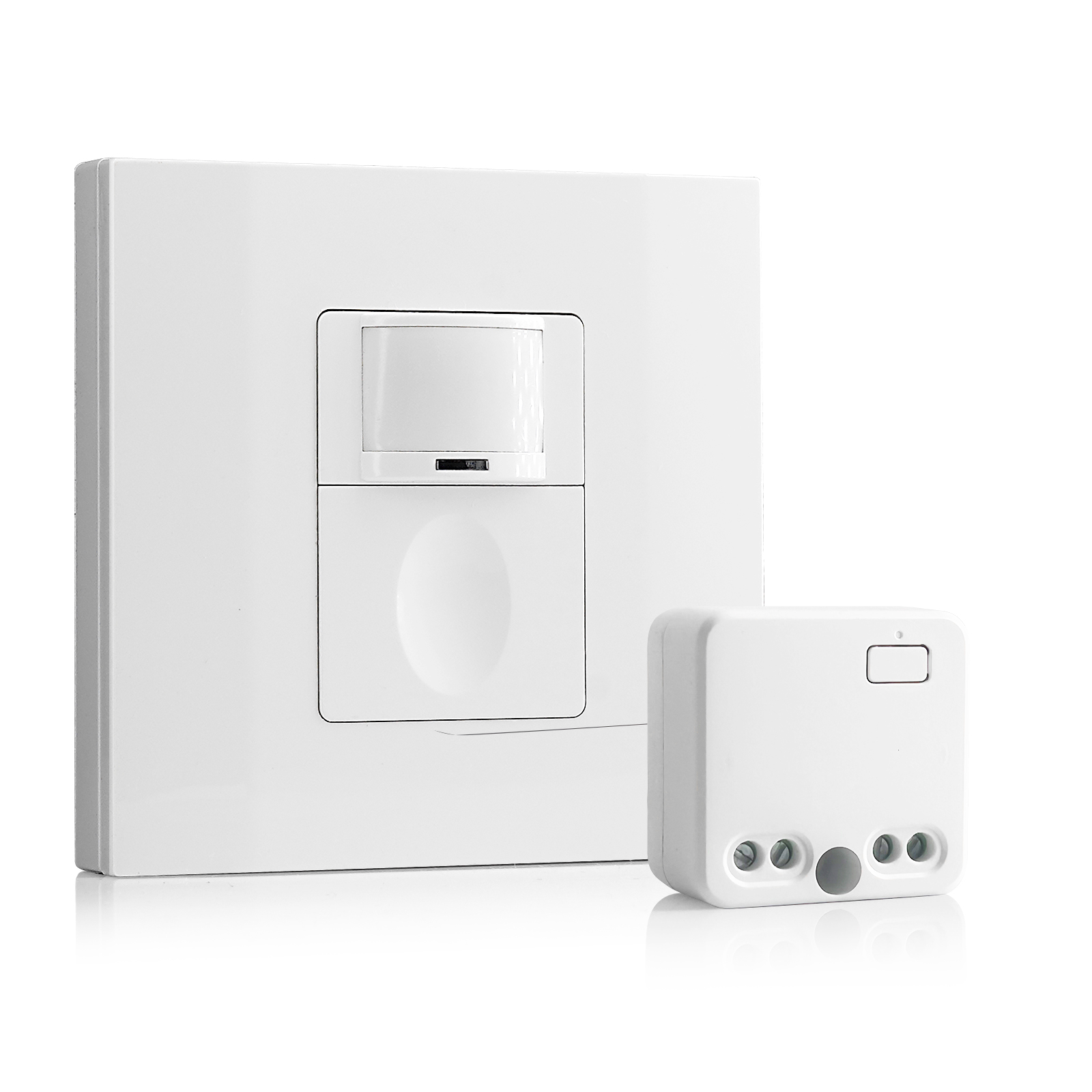
- 100V-230V CA
- Distancia de transmisión: hasta 20 m
- Sensor de movimiento inalámbrico
- Control cableado
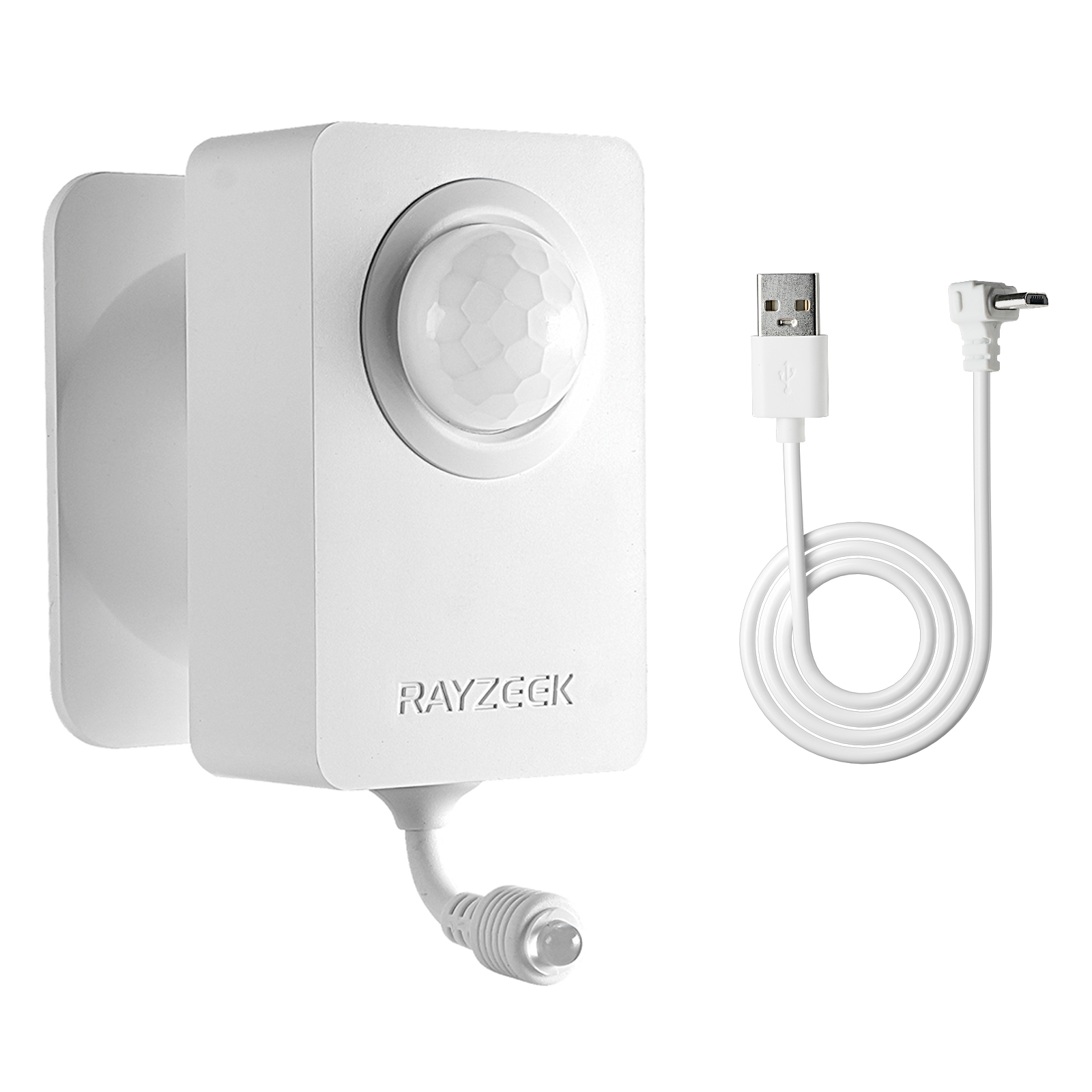
- Voltaje: 2 baterías AAA / 5V CC (Micro USB)
- Modo día/noche
- Tiempo de retardo: 15 min, 30 min, 1 h (por defecto), 2 h
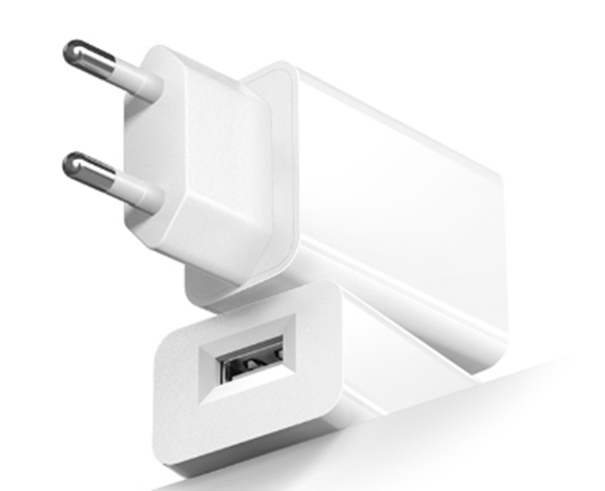
- Adaptador de corriente con enchufe de la UE
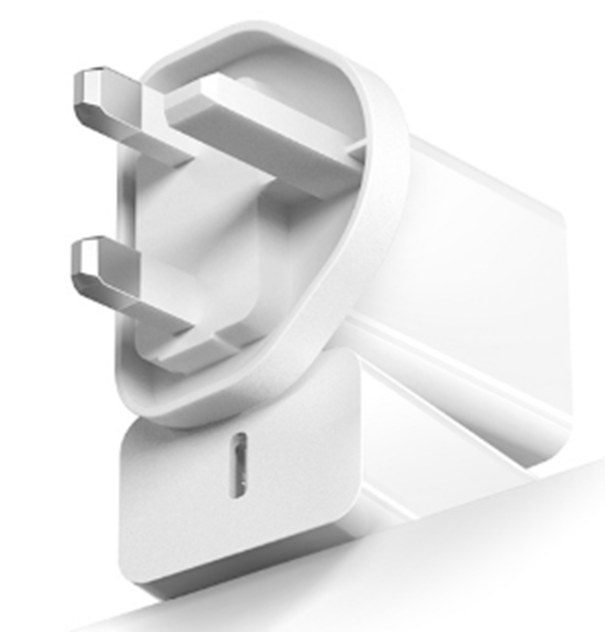
- Adaptador de corriente con enchufe del Reino Unido
When selecting light fixtures for damp locations, choose fixtures that are specifically labeled as “damp rated.” These fixtures are designed to withstand the moisture and humidity present in these areas without compromising safety or performance. It is important to note that damp-rated lighting solutions differ from wet-rated lighting solutions. Wet-rated lights are specifically designed to withstand direct exposure to water, such as rain or water splashes, and are suitable for outdoor areas where they may come into direct contact with moisture.
Frequently Asked Questions
What Is the Difference Between Damp and Wet Locations
One rating is specifically designed to handle direct exposure to water, while the other rating does not have this capability.
What Is a Damp Location Per NEC
The NEC defines a damp location as an area that is shielded from weather conditions and not prone to being saturated with water or other liquids, but is exposed to moderate levels of moisture. An additional note accompanying this definition offers a few instances of damp locations, such as “certain basements.”
Is a Shower Light a Wet or Damp Location
Indoor locations such as showers are classified as wet locations. If a light fixture can come into direct contact with water splashes or flows, it is considered a wet location. Dutton Brown Design’s light fixtures are mostly UL Listed for dry locations, indicating they are not suitable for wet environments like showers.
What Are Indoor Damp Locations
Indoor Damp Locations encompass areas such as indoor pool areas, utility rooms, and spaces above bathtubs or showers in bathrooms (where there is no direct water contact).
Can LED Bulbs Be Used in Damp Locations
LED bulbs that are listed for damp locations are commonly utilized indoors in areas such as laundry rooms, over showers and bathtubs, utility rooms, unfinished basements, and similar spaces.
Do You Need Damp Rated Lighting for Bathroom
No, you don’t always require damp-rated lighting in your bathroom. The majority of areas in these spaces are exposed to only minimal levels of moisture, and proper ventilation helps prevent condensation. Feel free to explore our selection of bathroom lighting options, which include dry, damp, and wet fixtures, to create your ideal oasis.
What Device Is Used in Damp Locations
For areas that are wet or damp, such as when it needs to be buried directly in the ground, UF-B (underground feeder) cable is the appropriate device to use. This type of cable is designed with solid, water-proof plastic vinyl sheaths that fully protect the individual conductors from moisture, making it suitable for damp locations.
Do Kitchen Lights Need to Be Damp Rated
An additional requirement is that fixtures should have a damp or wet location rating. It is important to note that most lighting fixtures available in the market are only dry-rated. In space-efficient bathrooms, sconces are preferred over pendants and chandeliers as they are more suitable for small spaces and can be easily adjusted around mirrors.
Is It OK to Put LED Lights in the Bathroom
LED light bulbs are a great choice for bathroom fixtures due to their energy efficiency and durability. According to the U.S. Department of Energy, LED bulbs can last up to 25,000 hours, making them a long-lasting option that outperforms traditional light bulbs. Additionally, LED bulbs are less likely to overheat, making them a safe and reliable choice for bathroom lighting.
What Does Zone 1 and 2 Mean in Bathroom Lighting
Zone 1 in bathroom lighting refers to the area directly above the bath or shower, extending up to 2.25 meters from the floor. On the other hand, Zone 2 pertains to the lighting positioned on either side of the bath, shower, or wash basin, up to 600mm (0.6m) outside the perimeter of the water sources, and also up to 2.25m from the floor. Any areas that are not within these designated zones are considered as outside zones.







