
What is Aluminium Reflector
An Aluminium Reflector is a type of reflective aluminum surface that is commonly used in the lighting industry to control and enhance light output. Due to its ability to reflect visible light and heat, aluminum is an ideal material for lighting reflectors. The aluminum plate is a ductile metal that is easy to polish, and its reflectivity can reach over 80%. This makes it a cost-effective alternative to using silver as a reflector.
Quizás le interese

- Sensor de presencia PIR para montaje en techo con salida de relé de contacto seco
- Alimentación de bajo voltaje de 12/24VDC o 12/24VAC
- Contactos de relé aislados COM, NO y NC para entradas de EMS, HVAC y control de edificios

- Interruptor sensor de movimiento por microondas empotrable en techo de bajo voltaje DC
- Entrada de 12 VDC / 24 VDC con rango de 10-30 VDC
- Corriente de funcionamiento máxima de 10A con retardo de tiempo, umbral de Lux y sensibilidad ajustables
- Interruptor sensor de movimiento por microondas empotrable en techo para cargas más altas
- Entrada de voltaje de línea de 100-265 VAC, modelo de 10A
- Detección por microondas de 5.8 GHz con retardo de tiempo, umbral de Lux y sensibilidad ajustables
- Interruptor sensor de movimiento por microondas empotrable en techo
- Entrada de voltaje de línea de 100-265 VAC, modelo de 5A
- Detección por microondas de 5.8 GHz con retardo de tiempo, umbral de Lux y sensibilidad ajustables
- Dimmer sensor de presencia PIR RZ037 para montaje en techo para alimentación de 220V
- Corriente de funcionamiento máxima de 3A con carga nominal de 660W
- El botón LUX controla el encendido/apagado del sensor de luz y el brillo de regulación establecido por el usuario
- Dimmer sensor de presencia PIR RZ037 para montaje en techo para alimentación de 110V
- Corriente de funcionamiento máxima de 3A con carga nominal de 330W
- El botón LUX controla el encendido/apagado del sensor de luz y el brillo de regulación establecido por el usuario

- Interruptor de sensor de movimiento por microondas de techo de CC de bajo voltaje
- Entrada de 12 VDC / 24 VDC con rango de 10-30 VDC
- Corriente de funcionamiento máxima de 10A con retardo de tiempo, umbral de Lux y sensibilidad ajustables
- Interruptor de sensor de movimiento por microondas de techo para cargas más altas
- Entrada de voltaje de línea de 100-265 VAC, modelo de 10A
- Detección por microondas de 5.8 GHz con retardo de tiempo, umbral de Lux y sensibilidad ajustables
- Interruptor de sensor de movimiento por microondas de techo
- Entrada de voltaje de línea de 100-265 VAC, modelo de 5A
- Detección por microondas de 5.8 GHz con retardo de tiempo, umbral de Lux y sensibilidad ajustables

- Interruptor de sensor de movimiento PIR de techo empotrado de CC de bajo voltaje
- Entrada de 12 VDC / 24 VDC con rango de 10-30 VDC
- Corriente de trabajo máxima de 10A con retardo de tiempo, umbral de Lux y sensibilidad ajustables

- Interruptor de sensor de movimiento PIR de techo empotrado para cargas más altas
- Entrada de voltaje de línea de 100-265 VAC, modelo de 10A
- Detección de 360 grados con retardo de tiempo, umbral de Lux y sensibilidad ajustables
- Interruptor de sensor de movimiento PIR de techo empotrado
- Entrada de voltaje de línea de 100-265 VAC, modelo de 5A
- Detección de 360 grados con retardo de tiempo, umbral de Lux y sensibilidad ajustables

- Kit de receptor e interruptor inalámbrico para control de iluminación de encendido/apagado en interiores
- Receptor de 100-230VAC, 50/60Hz con corriente nominal de 5A
- Interruptor inalámbrico alimentado por CR2032 con comunicación de 2.4GHz
- Presencia (Encendido automático/Apagado automático)
- 12–24V DC (10–30VDC), hasta 10A
- Cobertura de 360°, 8–12 m de diámetro
- Retardo de tiempo de 15 s–30 min
- Sensor de luz Apagado/15/25/35 Lux
- Sensibilidad Alta/Baja
- Modo de presencia de encendido automático/apagado automático
- 100–265V AC, 10A (requiere neutro)
- Cobertura de 360°; diámetro de detección de 8–12 m
- Retardo de tiempo de 15 s–30 min; Lux APAGADO/15/25/35; Sensibilidad Alta/Baja
- Modo de presencia de encendido automático/apagado automático
- 100–265V CA, 5A (se requiere neutro)
- Cobertura de 360°; diámetro de detección de 8–12 m
- Retardo de tiempo de 15 s–30 min; Lux APAGADO/15/25/35; Sensibilidad Alta/Baja
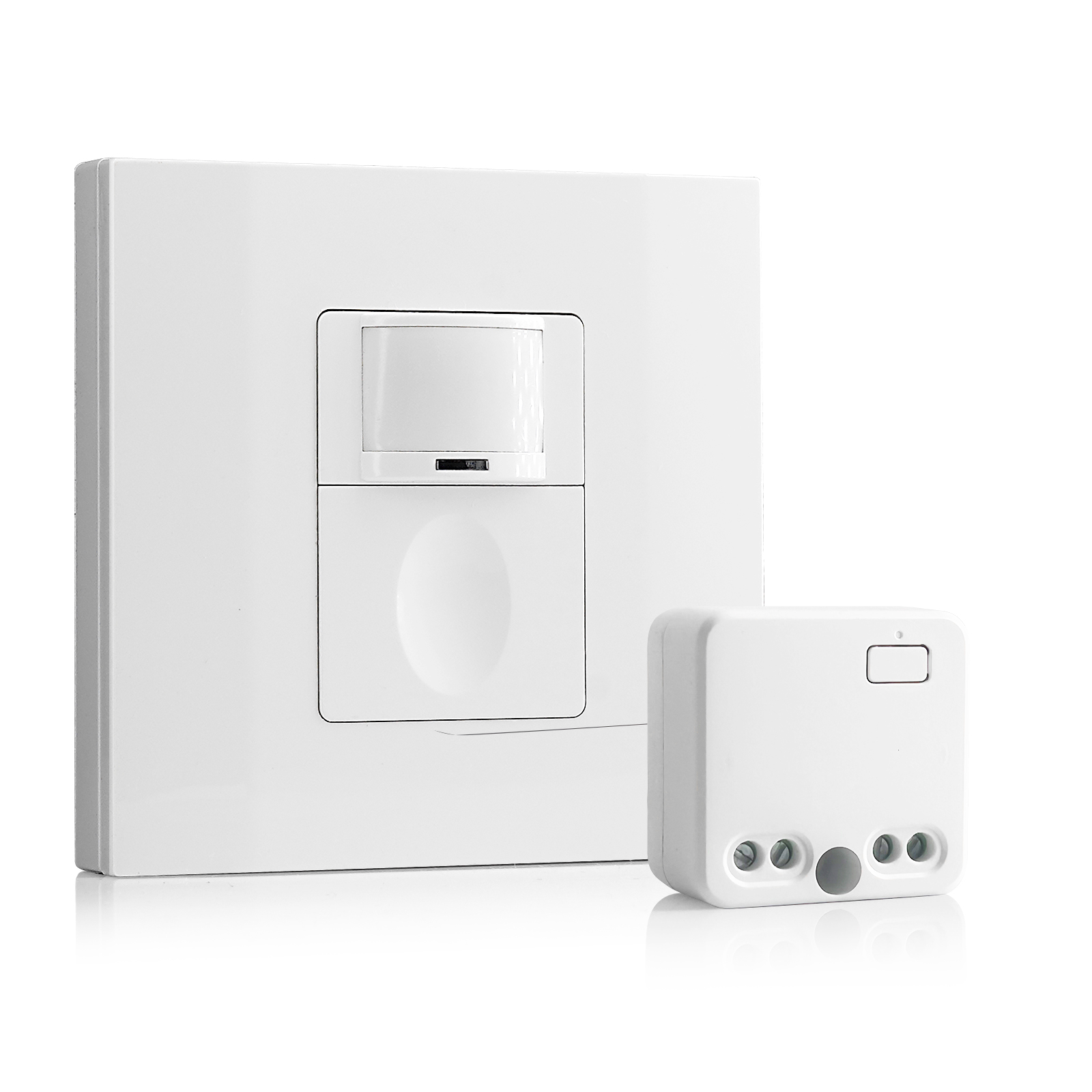
- 100V-230V CA
- Distancia de transmisión: hasta 20 m
- Sensor de movimiento inalámbrico
- Control cableado
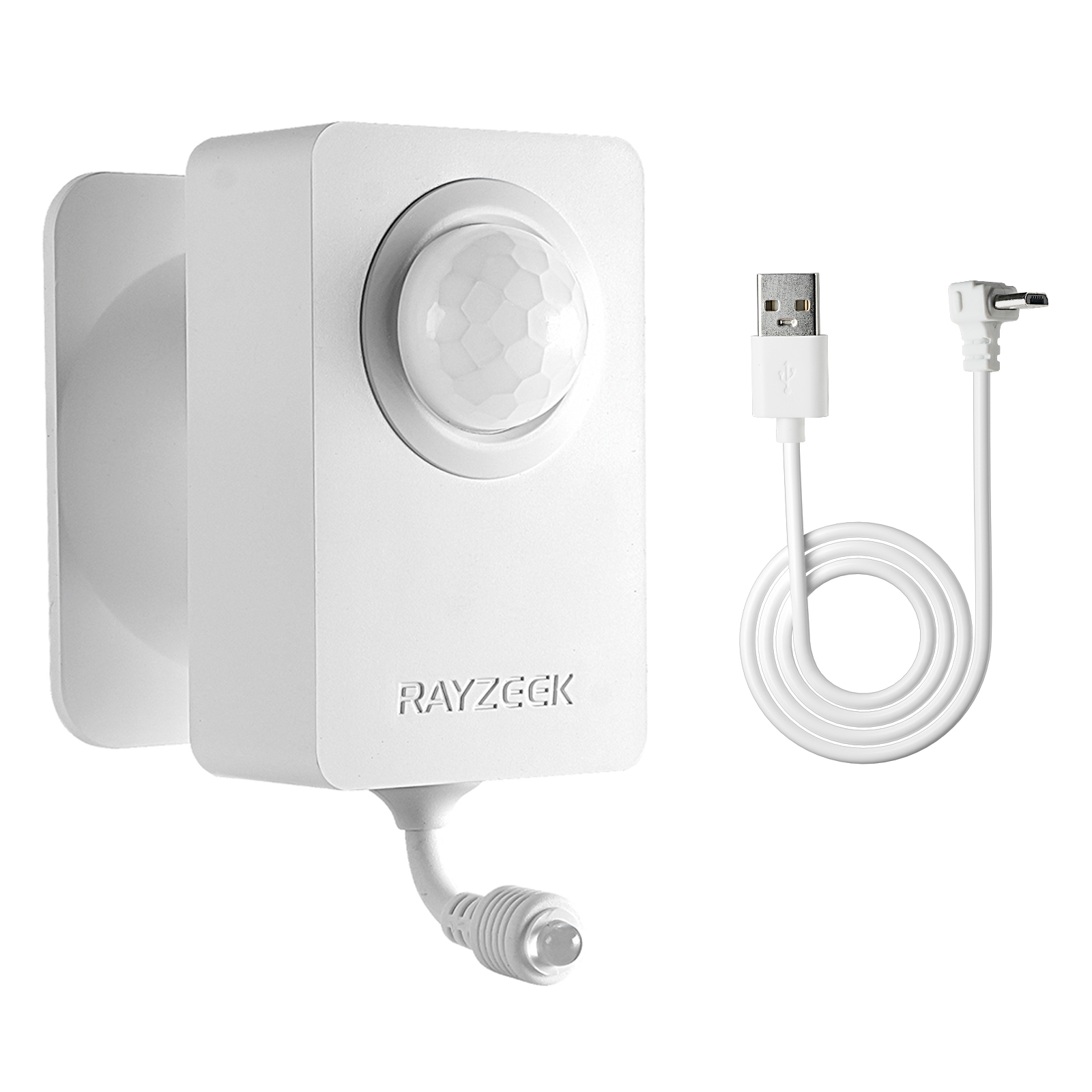
- Voltaje: 2 baterías AAA / 5V CC (Micro USB)
- Modo día/noche
- Tiempo de retardo: 15 min, 30 min, 1 h (por defecto), 2 h
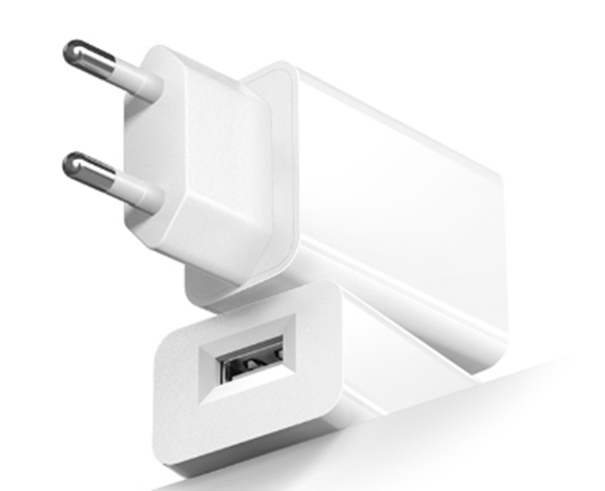
- Adaptador de corriente con enchufe de la UE
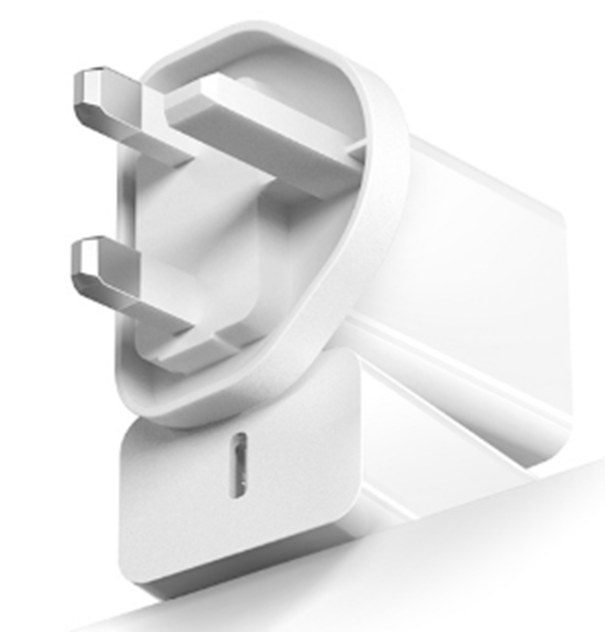
- Adaptador de corriente con enchufe del Reino Unido
The quality of the aluminum plate process is mainly determined by the high reflectivity of light, and professional testing tools can be used to judge the quality. The high-quality 1060, 1070, and 3003 aluminum reflector sheets are usually used in the lighting industry. Mirror aluminum sheets are also called reflective aluminum sheets and polished aluminum sheets. They are widely used in lamps, advertising materials, solar reflectors, decorative materials, and other fields.
Aluminium reflectors are designed to project most of the heat forwards with the light, making them ideal for use in ceiling downlights. The heat emitted from the back of the lamp is minimized, and the extra heat in the beam from the front of the lamp is not an issue since objects will not be placed close to the front of the lamp.
The reflectivity of aluminum can be improved through a new process that achieves high refractive index and high reflectivity without increasing the cost. This makes it an excellent choice for a wide range of applications, including lighting fixtures, bicycle and automobile parts, thermal blankets, aerospace parts, telescopes, window fixtures, electronics, lasers, medical/dental tools and fixtures, and more.
¿Busca soluciones de ahorro de energía activadas por movimiento?
Contáctenos para obtener sensores de movimiento PIR completos, productos de ahorro de energía activados por movimiento, interruptores con sensor de movimiento y soluciones comerciales de presencia/ausencia.
Frequently Asked Questions
What Are the Three Types of Reflectors
There are three fundamental types of reflectors: Flat, Spherical, and Parabolic. These types of reflecting surfaces are illustrated in the accompanying drawing.
What Is a Bad Reflector of Light
Surfaces that are dark or dull such as slate, concrete, and wood do not reflect light well and instead absorb most of it, resulting in little to no light bouncing back. On the other hand, surfaces that are uneven or rough like sand, leather, and stone scatter the light that hits them.
What Type of Reflector Can You Use at Your Home
A light reflector is commonly a broad, flat, silver surface, although photographers may also utilize white or gold reflectors. To use at home, collapsible light reflectors are available for purchase at camera shops and online. Alternatively, you can create your own reflector by using cardboard and aluminum foil.
What Is the Difference Between a Light Source and a Light Reflector
A light source is an object that emits light, while a light reflector is an object that bounces back light that falls on it. In other words, a reflector does not create light but rather redirects it. For instance, a mirror is an example of a light reflector.
How Much Light Does Aluminium Reflect
Aluminum is a highly reflective material and is often used in layers for its reflectivity. While silver is the most reflective across the visible spectrum, reflecting 95 percent of light, aluminum is also a good reflector and can reflect up to 90 percent of light. This makes both coatings suitable for various applications.
Is Aluminum More Reflective Than White
“Compared to a polished stainless steel surface with only 60% specular reflectance, a matt white painted surface has a higher reflectance of 85% to 90%. However, polished aluminum has a similar reflectance of approximately 85%.”
What Color Is the Best Light Reflector
Silver reflectors are considered the most effective in reflecting light, especially in low-light conditions where maximum light reflection is required. They are also useful in enhancing highlights and contrast. However, it is not recommended to use them in direct sunlight as it can result in harsh lighting.
Do I Need a Light Reflector
If you have a single, directional light source and need to balance the illumination onto your subject, a reflector can be very useful. This is especially true when dealing with harsh sunlight that produces shadows. By using a reflector, you can reduce the shadows and create a more balanced lighting situation for your subject.
How Long Do Reflectors Last
Reflectors can last for 12 months or longer, depending on how well they are maintained. To avoid having to replace the entire fixture, it is recommended to use replacement reflectors, which are a cost-effective solution to keep your light at its maximum potential.







