

What are Delivered Lumens
Delivered lumens are the actual amount of useful light that is emitted and reaches a specific area or scene. It takes into account factors such as reflection, refraction, and absorption that can cause some of the light to be lost or redirected within the lighting fixture. Unlike total lumens, which measure the total amount of light emitted from a light source in all directions, delivered lumens provide a more accurate representation of the light available for use in a given space. This measurement considers the losses and interactions that occur as light travels through the fixture, ensuring a more realistic assessment of the brightness that can be expected.
Quizás le interese

- Sensor de presencia PIR para montaje en techo con salida de relé de contacto seco
- Alimentación de bajo voltaje de 12/24VDC o 12/24VAC
- Contactos de relé aislados COM, NO y NC para entradas de EMS, HVAC y control de edificios

- Interruptor sensor de movimiento por microondas empotrable en techo de bajo voltaje DC
- Entrada de 12 VDC / 24 VDC con rango de 10-30 VDC
- Corriente de funcionamiento máxima de 10A con retardo de tiempo, umbral de Lux y sensibilidad ajustables
- Interruptor sensor de movimiento por microondas empotrable en techo para cargas más altas
- Entrada de voltaje de línea de 100-265 VAC, modelo de 10A
- Detección por microondas de 5.8 GHz con retardo de tiempo, umbral de Lux y sensibilidad ajustables
- Interruptor sensor de movimiento por microondas empotrable en techo
- Entrada de voltaje de línea de 100-265 VAC, modelo de 5A
- Detección por microondas de 5.8 GHz con retardo de tiempo, umbral de Lux y sensibilidad ajustables
- Dimmer sensor de presencia PIR RZ037 para montaje en techo para alimentación de 220V
- Corriente de funcionamiento máxima de 3A con carga nominal de 660W
- El botón LUX controla el encendido/apagado del sensor de luz y el brillo de regulación establecido por el usuario
- Dimmer sensor de presencia PIR RZ037 para montaje en techo para alimentación de 110V
- Corriente de funcionamiento máxima de 3A con carga nominal de 330W
- El botón LUX controla el encendido/apagado del sensor de luz y el brillo de regulación establecido por el usuario

- Interruptor de sensor de movimiento por microondas de techo de CC de bajo voltaje
- Entrada de 12 VDC / 24 VDC con rango de 10-30 VDC
- Corriente de funcionamiento máxima de 10A con retardo de tiempo, umbral de Lux y sensibilidad ajustables
- Interruptor de sensor de movimiento por microondas de techo para cargas más altas
- Entrada de voltaje de línea de 100-265 VAC, modelo de 10A
- Detección por microondas de 5.8 GHz con retardo de tiempo, umbral de Lux y sensibilidad ajustables
- Interruptor de sensor de movimiento por microondas de techo
- Entrada de voltaje de línea de 100-265 VAC, modelo de 5A
- Detección por microondas de 5.8 GHz con retardo de tiempo, umbral de Lux y sensibilidad ajustables

- Interruptor de sensor de movimiento PIR de techo empotrado de CC de bajo voltaje
- Entrada de 12 VDC / 24 VDC con rango de 10-30 VDC
- Corriente de trabajo máxima de 10A con retardo de tiempo, umbral de Lux y sensibilidad ajustables

- Interruptor de sensor de movimiento PIR de techo empotrado para cargas más altas
- Entrada de voltaje de línea de 100-265 VAC, modelo de 10A
- Detección de 360 grados con retardo de tiempo, umbral de Lux y sensibilidad ajustables
- Interruptor de sensor de movimiento PIR de techo empotrado
- Entrada de voltaje de línea de 100-265 VAC, modelo de 5A
- Detección de 360 grados con retardo de tiempo, umbral de Lux y sensibilidad ajustables

- Kit de receptor e interruptor inalámbrico para control de iluminación de encendido/apagado en interiores
- Receptor de 100-230VAC, 50/60Hz con corriente nominal de 5A
- Interruptor inalámbrico alimentado por CR2032 con comunicación de 2.4GHz
- Presencia (Encendido automático/Apagado automático)
- 12–24V DC (10–30VDC), hasta 10A
- Cobertura de 360°, 8–12 m de diámetro
- Retardo de tiempo de 15 s–30 min
- Sensor de luz Apagado/15/25/35 Lux
- Sensibilidad Alta/Baja
- Modo de presencia de encendido automático/apagado automático
- 100–265V AC, 10A (requiere neutro)
- Cobertura de 360°; diámetro de detección de 8–12 m
- Retardo de tiempo de 15 s–30 min; Lux APAGADO/15/25/35; Sensibilidad Alta/Baja
- Modo de presencia de encendido automático/apagado automático
- 100–265V CA, 5A (se requiere neutro)
- Cobertura de 360°; diámetro de detección de 8–12 m
- Retardo de tiempo de 15 s–30 min; Lux APAGADO/15/25/35; Sensibilidad Alta/Baja
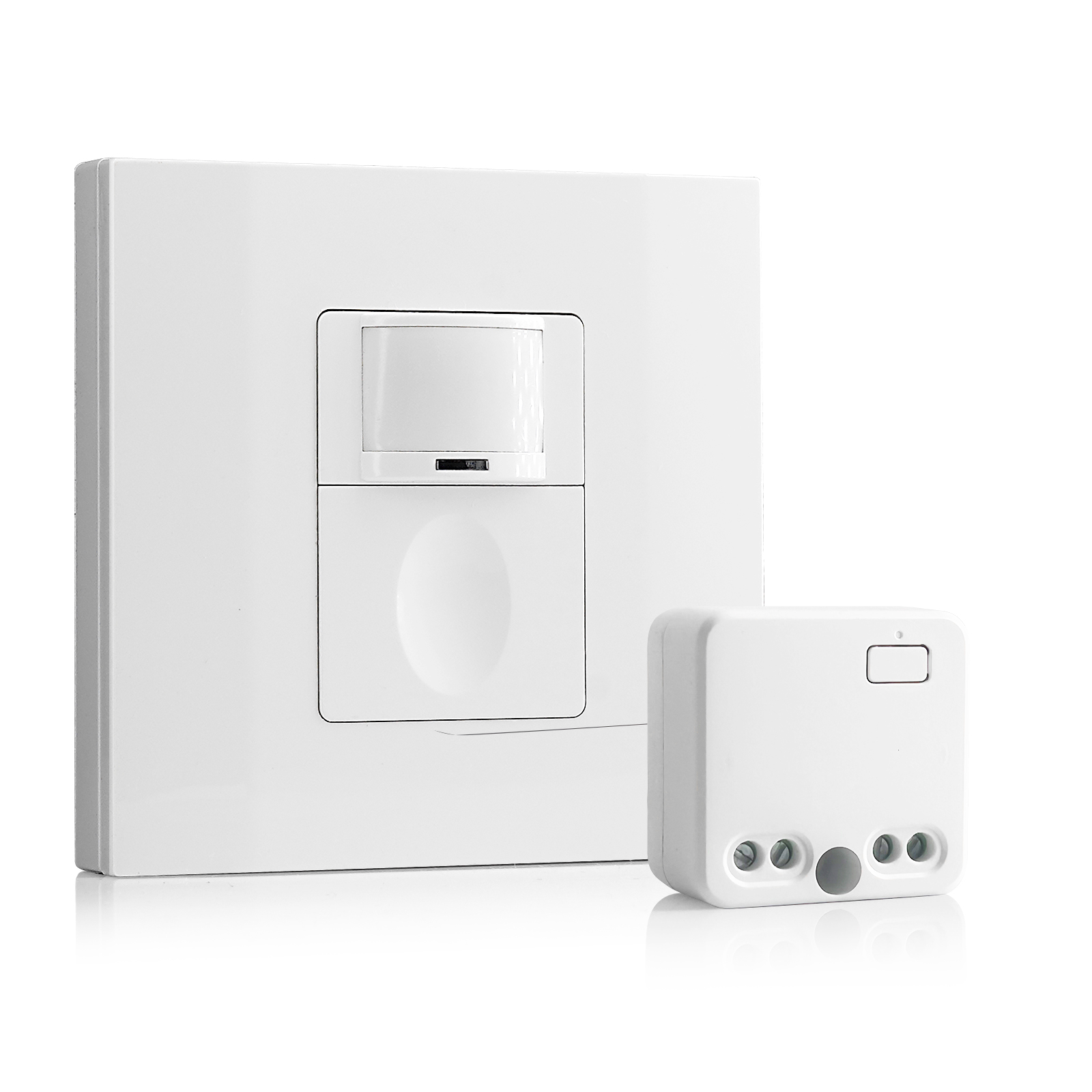
- 100V-230V CA
- Distancia de transmisión: hasta 20 m
- Sensor de movimiento inalámbrico
- Control cableado
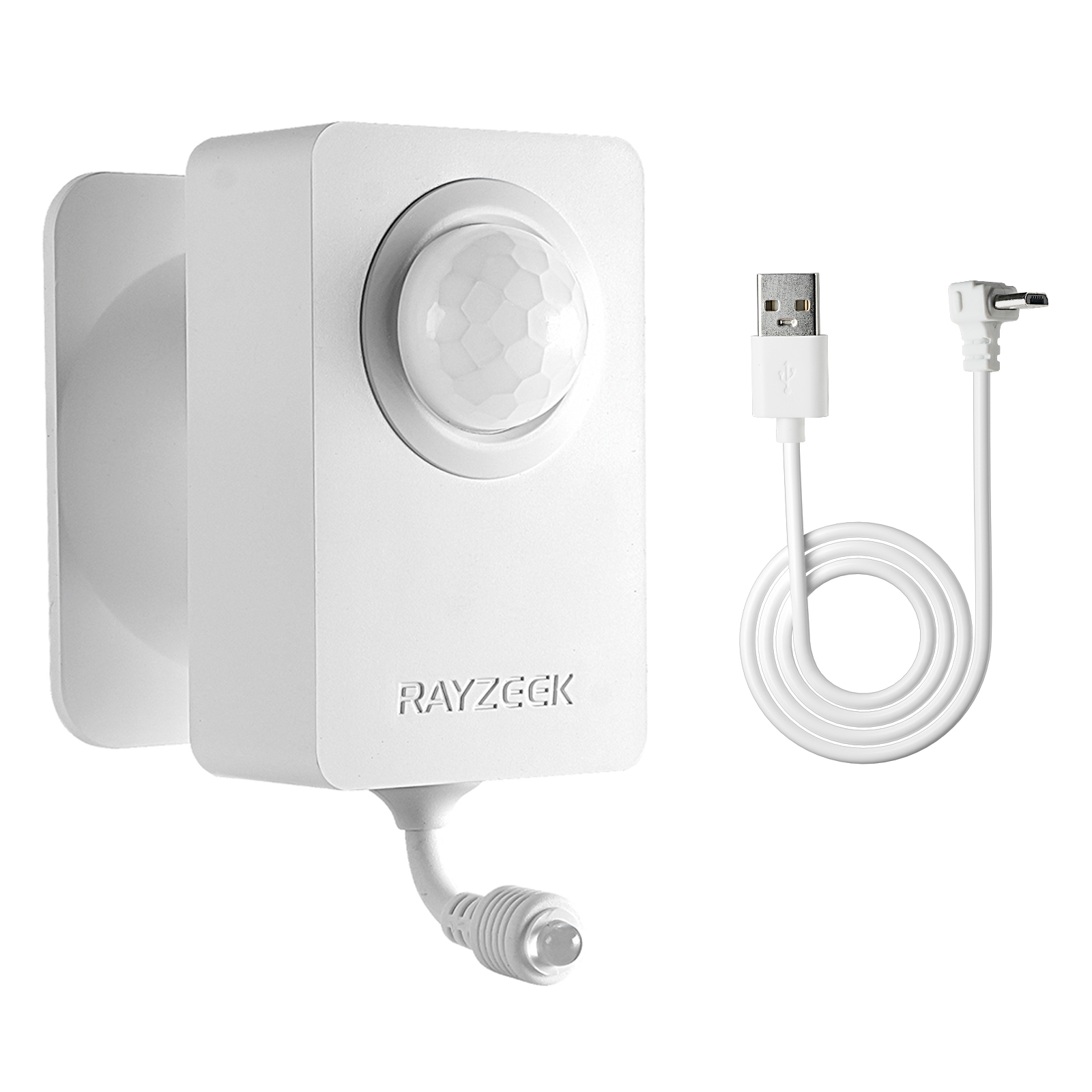
- Voltaje: 2 baterías AAA / 5V CC (Micro USB)
- Modo día/noche
- Tiempo de retardo: 15 min, 30 min, 1 h (por defecto), 2 h
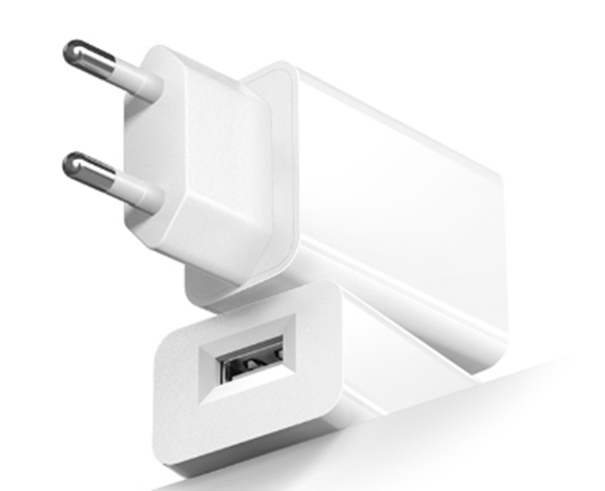
- Adaptador de corriente con enchufe de la UE
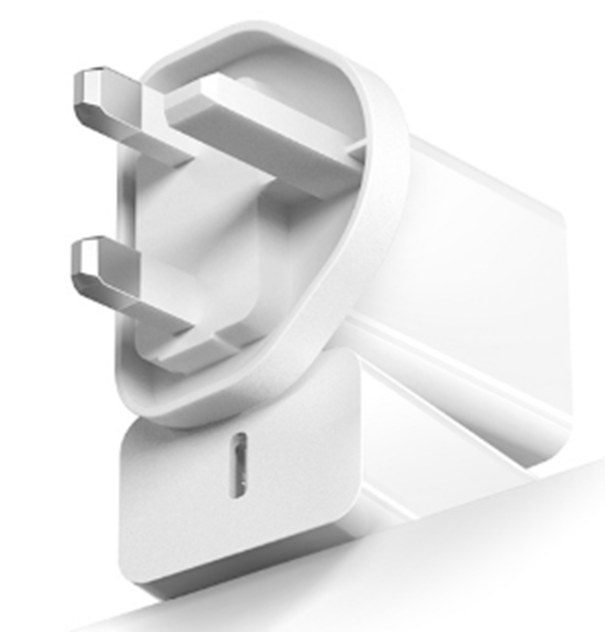
- Adaptador de corriente con enchufe del Reino Unido
The calculation of delivered lumens involves subtracting the amount of lost light from the total lumens. The specific calculation can vary depending on the design and characteristics of the lighting fixture.
Understanding the concept of delivered lumens is crucial for lighting designers, engineers, and specifiers as it helps them determine the appropriate number and type of fixtures needed to achieve the desired illumination in a space. By considering the actual light output that reaches the intended area, they can make informed decisions and ensure optimal lighting conditions.
¿Busca soluciones de ahorro de energía activadas por movimiento?
Contáctenos para obtener sensores de movimiento PIR completos, productos de ahorro de energía activados por movimiento, interruptores con sensor de movimiento y soluciones comerciales de presencia/ausencia.
Frequently Asked Questions
Do Lumens Increase With Number of Bulbs
There is no direct relationship between the number of bulbs and the increase in lumens. This is because lumens are units of light emitted, while the number of bulbs refers to the quantity of light sources. Although higher wattage bulbs generally emit more lumens, it is important to note that the efficiency of the bulb can also affect the amount of lumens emitted. Therefore, even if two LED bulbs have the same wattage, they may still emit different amounts of lumens based on their efficiency.
What Lumen Is Closest to Daylight
If you are looking to replace a 60 watt incandescent bulb with a daylight bulb, you will need an LED light bulb with a wattage of 7 to 10. These bulbs typically have a lumen range of 650 to 800. Daylight LED light bulbs usually have a color temperature between 5,000 and 6,500 Kelvins.
Which Is Better Lux or Lumens
One lumen per square meter is equivalent to one lux. This unit of measurement allows us to quantify the overall “quantity” of visible light and the strength of the lighting on a surface. Lux is commonly used as it provides an effective means of determining the perceived brightness of a light beam.
How Many Lumens Is Good for a Kitchen
Kitchens typically necessitate a higher level of illumination compared to a living room or bedroom. The specific amount of light needed will vary based on the kitchen’s size and arrangement, but as a general guideline, it is recommended to have approximately 70-80 lumens (units of light) per square foot in a kitchen.
Do LED Lights Have More Lumens
The efficacy of tungsten incandescent bulbs was only about 15 lumens/watt, while LED technology typically produces 75-110 lumens/watt. Therefore, LEDs are generally around 7 times more efficient at producing light compared to incandescent bulbs.







