
What is Tungsten Halogen
Tungsten halogen refers to a type of lamp or light source which are characterized by their utilization of a tungsten filament and a halogen gas to produce light. The halogen gas, such as iodine or bromine, is the main role in the operation of these lamps.
Tungsten halogen lamps are known for their ability to emit light across the entire visible light spectrum and beyond. This characteristic makes them highly desirable in applications that require accurate color rendering. The lamps have a higher color temperature compared to traditional tungsten incandescent lamps, resulting in a bright, white light output.
Quizás le interese

- Sensor de presencia PIR para montaje en techo con salida de relé de contacto seco
- Alimentación de bajo voltaje de 12/24VDC o 12/24VAC
- Contactos de relé aislados COM, NO y NC para entradas de EMS, HVAC y control de edificios

- Interruptor sensor de movimiento por microondas empotrable en techo de bajo voltaje DC
- Entrada de 12 VDC / 24 VDC con rango de 10-30 VDC
- Corriente de funcionamiento máxima de 10A con retardo de tiempo, umbral de Lux y sensibilidad ajustables
- Interruptor sensor de movimiento por microondas empotrable en techo para cargas más altas
- Entrada de voltaje de línea de 100-265 VAC, modelo de 10A
- Detección por microondas de 5.8 GHz con retardo de tiempo, umbral de Lux y sensibilidad ajustables
- Interruptor sensor de movimiento por microondas empotrable en techo
- Entrada de voltaje de línea de 100-265 VAC, modelo de 5A
- Detección por microondas de 5.8 GHz con retardo de tiempo, umbral de Lux y sensibilidad ajustables
- Dimmer sensor de presencia PIR RZ037 para montaje en techo para alimentación de 220V
- Corriente de funcionamiento máxima de 3A con carga nominal de 660W
- El botón LUX controla el encendido/apagado del sensor de luz y el brillo de regulación establecido por el usuario
- Dimmer sensor de presencia PIR RZ037 para montaje en techo para alimentación de 110V
- Corriente de funcionamiento máxima de 3A con carga nominal de 330W
- El botón LUX controla el encendido/apagado del sensor de luz y el brillo de regulación establecido por el usuario

- Interruptor de sensor de movimiento por microondas de techo de CC de bajo voltaje
- Entrada de 12 VDC / 24 VDC con rango de 10-30 VDC
- Corriente de funcionamiento máxima de 10A con retardo de tiempo, umbral de Lux y sensibilidad ajustables
- Interruptor de sensor de movimiento por microondas de techo para cargas más altas
- Entrada de voltaje de línea de 100-265 VAC, modelo de 10A
- Detección por microondas de 5.8 GHz con retardo de tiempo, umbral de Lux y sensibilidad ajustables
- Interruptor de sensor de movimiento por microondas de techo
- Entrada de voltaje de línea de 100-265 VAC, modelo de 5A
- Detección por microondas de 5.8 GHz con retardo de tiempo, umbral de Lux y sensibilidad ajustables

- Interruptor de sensor de movimiento PIR de techo empotrado de CC de bajo voltaje
- Entrada de 12 VDC / 24 VDC con rango de 10-30 VDC
- Corriente de trabajo máxima de 10A con retardo de tiempo, umbral de Lux y sensibilidad ajustables

- Interruptor de sensor de movimiento PIR de techo empotrado para cargas más altas
- Entrada de voltaje de línea de 100-265 VAC, modelo de 10A
- Detección de 360 grados con retardo de tiempo, umbral de Lux y sensibilidad ajustables
- Interruptor de sensor de movimiento PIR de techo empotrado
- Entrada de voltaje de línea de 100-265 VAC, modelo de 5A
- Detección de 360 grados con retardo de tiempo, umbral de Lux y sensibilidad ajustables

- Kit de receptor e interruptor inalámbrico para control de iluminación de encendido/apagado en interiores
- Receptor de 100-230VAC, 50/60Hz con corriente nominal de 5A
- Interruptor inalámbrico alimentado por CR2032 con comunicación de 2.4GHz
- Presencia (Encendido automático/Apagado automático)
- 12–24V DC (10–30VDC), hasta 10A
- Cobertura de 360°, 8–12 m de diámetro
- Retardo de tiempo de 15 s–30 min
- Sensor de luz Apagado/15/25/35 Lux
- Sensibilidad Alta/Baja
- Modo de presencia de encendido automático/apagado automático
- 100–265V AC, 10A (requiere neutro)
- Cobertura de 360°; diámetro de detección de 8–12 m
- Retardo de tiempo de 15 s–30 min; Lux APAGADO/15/25/35; Sensibilidad Alta/Baja
- Modo de presencia de encendido automático/apagado automático
- 100–265V CA, 5A (se requiere neutro)
- Cobertura de 360°; diámetro de detección de 8–12 m
- Retardo de tiempo de 15 s–30 min; Lux APAGADO/15/25/35; Sensibilidad Alta/Baja
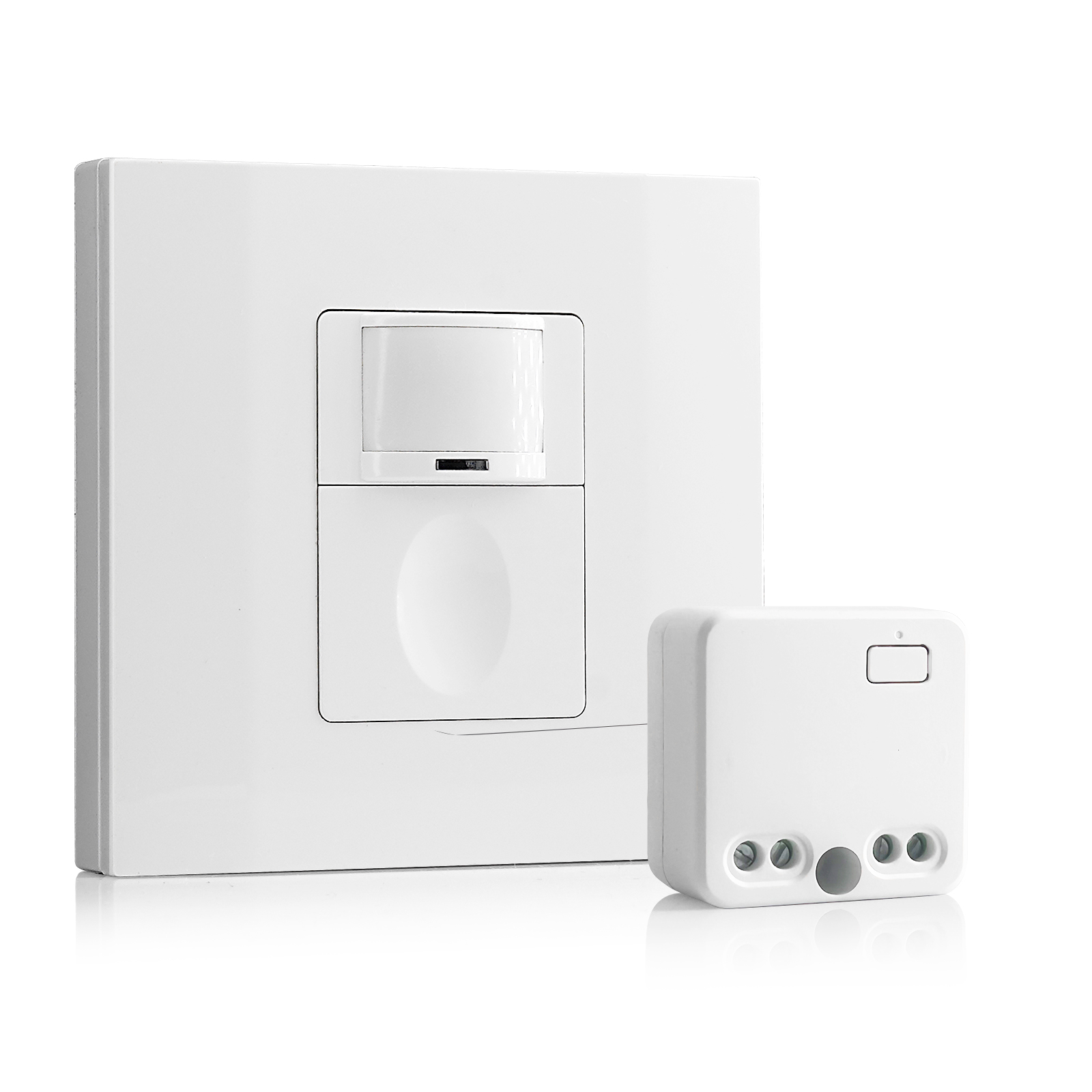
- 100V-230V CA
- Distancia de transmisión: hasta 20 m
- Sensor de movimiento inalámbrico
- Control cableado
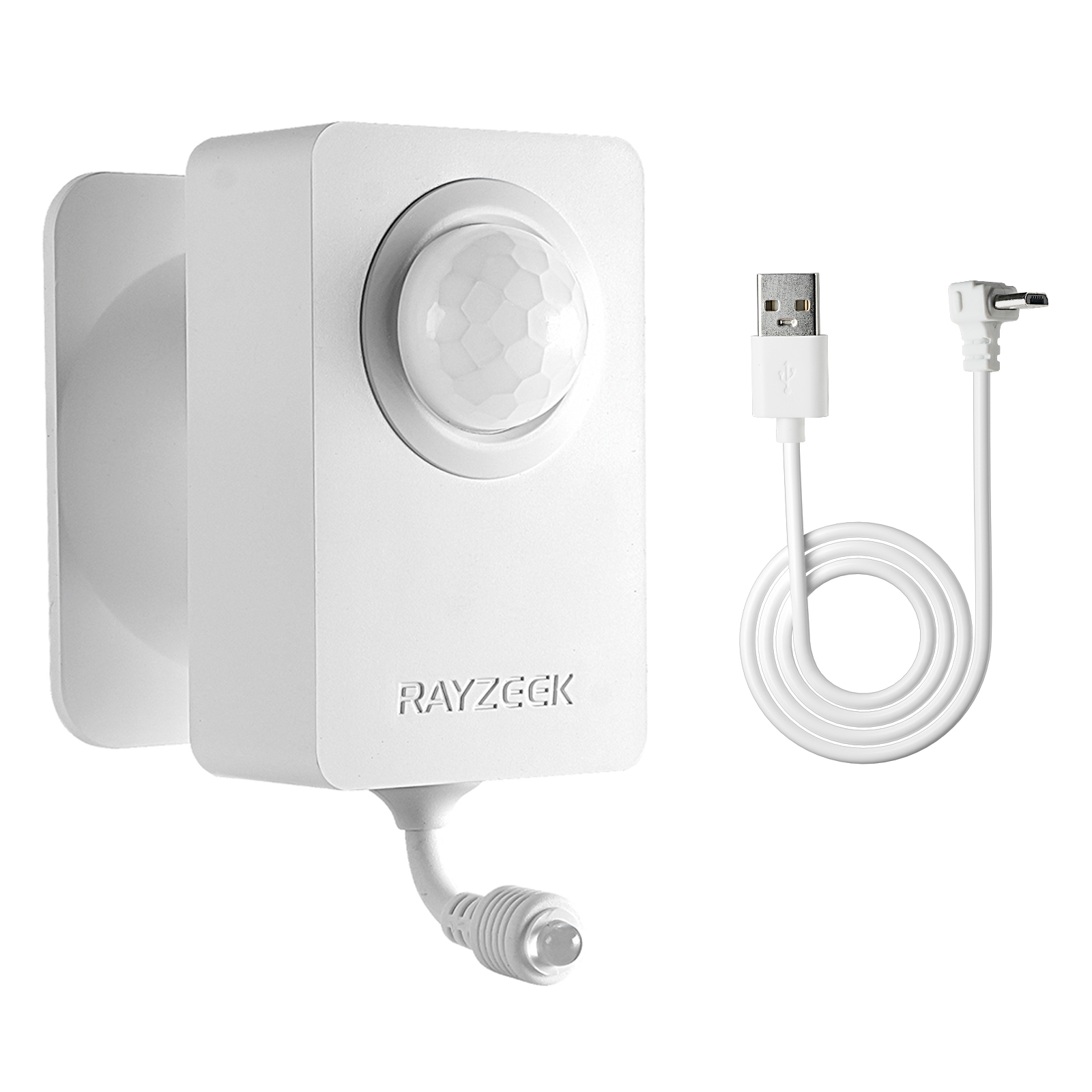
- Voltaje: 2 baterías AAA / 5V CC (Micro USB)
- Modo día/noche
- Tiempo de retardo: 15 min, 30 min, 1 h (por defecto), 2 h
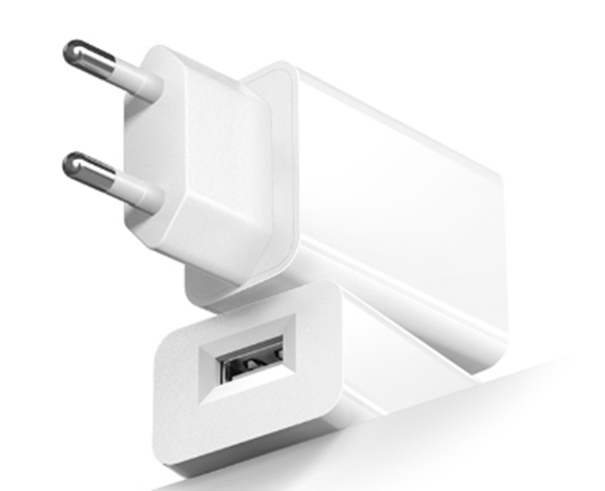
- Adaptador de corriente con enchufe de la UE
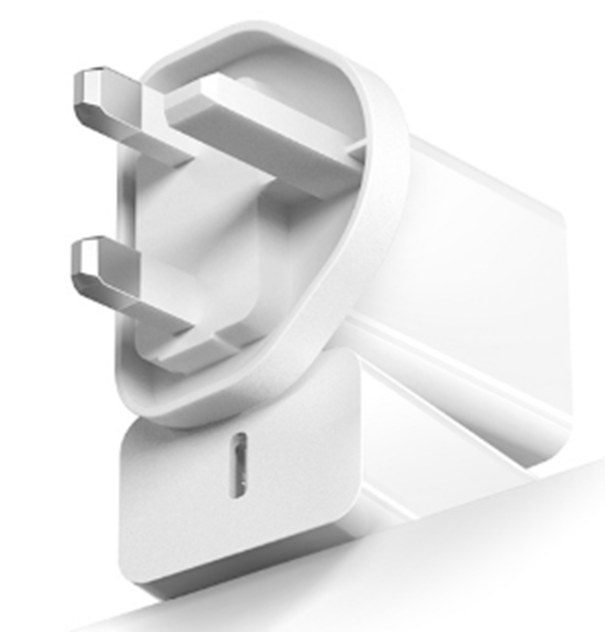
- Adaptador de corriente con enchufe del Reino Unido
The halogen gas within the lamp enables a halogen cycle, which helps to recycle the tungsten that evaporates from the filament back onto the filament surface. This process extends the life of the lamp, making it a cost-effective lighting solution.
Tungsten halogen lamps generate heat and require a significant amount of power, making them suitable for heavy-duty fixtures. Additionally, the lamps are prone to damage and occasional explosions, so proper precautions should be taken during handling.
¿Busca soluciones de ahorro de energía activadas por movimiento?
Contáctenos para obtener sensores de movimiento PIR completos, productos de ahorro de energía activados por movimiento, interruptores con sensor de movimiento y soluciones comerciales de presencia/ausencia.
Frequently Asked Questions
What Are the Disadvantages of Halogen Lighting
Halogen lighting has several drawbacks. Firstly, these bulbs emit a significant amount of heat, making it uncomfortable to be in close proximity to them, especially in areas like kitchens, workspaces, or elevators. Additionally, halogen bulbs can be hazardous to touch when they are turned on due to the high levels of heat they generate. Moreover, in most cases, halogen bulbs require some form of shielding to prevent any potential harm in the event that they shatter.
Why Were Halogen Bulbs Banned
Halogen bulbs were banned because they operate by passing an electrical current through a tungsten filament, which produces light. However, this process also heats the filament, resulting in wasted energy and making them inefficient.
What Is the Difference Between Halogen and Tungsten Lights
Halogen bulbs and tungsten lights are both types of incandescent light bulbs. They produce light through the heating of a tungsten filament. However, the main difference lies in the composition of the glass envelope and the gas contained within it.
What Is Better LED or Tungsten
The average lifespan of a tungsten light is approximately 1,200 hours, whereas an LED light has an average lifespan of about 50,000 hours. This significant difference in lifespan makes LED lights a better choice. Additionally, when selecting or considering LED light kits, it is important to prioritize color quality as cheaper kits may result in color spiking.
Why Do People Use Tungsten in Light Bulbs
Tungsten’s exceptional properties make it an ideal choice for light bulbs. With its incredibly high melting point of 3,422 degrees, tungsten can emit a bright white light without melting when an electric current flows through it. This allows for the production of light bulbs that produce lifelike colors, unlike the earlier bulbs that had a yellowish tint.
Do Light Bulbs Still Use Tungsten
Incandescent bulbs commonly utilize a filament made of tungsten due to its high melting point. The tungsten filament inside a light bulb can reach temperatures as high as 4,500 degrees Fahrenheit. The glass enclosure, known as the “bulb,” acts as a barrier, preventing oxygen in the air from reaching the heated filament.
Is It Worth Replacing Halogen With LED
LED lamps are known to consume approximately 75% less electricity compared to traditional halogen lamps. By making the switch to LED, households can significantly reduce their energy costs and make their electricity bills more affordable. Additionally, this transition contributes to a greener environment by reducing energy consumption and carbon emissions.
What Is the Difference Between Tungsten and Halogen Lights
Halogen bulbs are quite similar to incandescent bulbs, with a few minor distinctions. While both types of bulbs have a tungsten filament, halogen bulbs differ in that they incorporate a small amount of halogen gas. This gas mixes with the tungsten vapor and redeposits it onto the filament, rather than on the inner surface of the bulb envelope.







