

What is Cool White
Cool white is a term used in lighting to describe a specific color temperature of white light. It typically falls within the range of 5000-6500K on the Kelvin scale. Cool white light is known for its brightness, clarity, and slightly blue tint, which creates a crisp and energizing effect. This type of lighting is often referred to as “daylight” because it evokes the bright sun and blue skies of a clear day.
Cool white light is commonly used in professional settings where clear and bright lighting is essential, such as hospitals and professional kitchens. Its ability to provide a well-lit and focused environment makes it suitable for tasks that require precision and attention to detail. Additionally, cool white light is popular in office buildings as it can improve morale and create an enlivening atmosphere, especially in spaces without natural light sources.
¿Busca soluciones de ahorro de energía activadas por movimiento?
Contáctenos para obtener sensores de movimiento PIR completos, productos de ahorro de energía activados por movimiento, interruptores con sensor de movimiento y soluciones comerciales de presencia/ausencia.
In domestic settings, cool white light can be used to create a modern and clean aesthetic, particularly in spaces like white bathrooms or kitchens. It adds a sense of life, excitement, and energy to these areas. However, it may not be as suitable for residential applications with warm color schemes or materials like wood and bricks, as the blueish tints can make natural yellows and reds less visible.
Quizás le interese

- Sensor de presencia PIR para montaje en techo con salida de relé de contacto seco
- Alimentación de bajo voltaje de 12/24VDC o 12/24VAC
- Contactos de relé aislados COM, NO y NC para entradas de EMS, HVAC y control de edificios

- Interruptor sensor de movimiento por microondas empotrable en techo de bajo voltaje DC
- Entrada de 12 VDC / 24 VDC con rango de 10-30 VDC
- Corriente de funcionamiento máxima de 10A con retardo de tiempo, umbral de Lux y sensibilidad ajustables
- Interruptor sensor de movimiento por microondas empotrable en techo para cargas más altas
- Entrada de voltaje de línea de 100-265 VAC, modelo de 10A
- Detección por microondas de 5.8 GHz con retardo de tiempo, umbral de Lux y sensibilidad ajustables
- Interruptor sensor de movimiento por microondas empotrable en techo
- Entrada de voltaje de línea de 100-265 VAC, modelo de 5A
- Detección por microondas de 5.8 GHz con retardo de tiempo, umbral de Lux y sensibilidad ajustables
- Dimmer sensor de presencia PIR RZ037 para montaje en techo para alimentación de 220V
- Corriente de funcionamiento máxima de 3A con carga nominal de 660W
- El botón LUX controla el encendido/apagado del sensor de luz y el brillo de regulación establecido por el usuario
- Dimmer sensor de presencia PIR RZ037 para montaje en techo para alimentación de 110V
- Corriente de funcionamiento máxima de 3A con carga nominal de 330W
- El botón LUX controla el encendido/apagado del sensor de luz y el brillo de regulación establecido por el usuario

- Interruptor de sensor de movimiento por microondas de techo de CC de bajo voltaje
- Entrada de 12 VDC / 24 VDC con rango de 10-30 VDC
- Corriente de funcionamiento máxima de 10A con retardo de tiempo, umbral de Lux y sensibilidad ajustables
- Interruptor de sensor de movimiento por microondas de techo para cargas más altas
- Entrada de voltaje de línea de 100-265 VAC, modelo de 10A
- Detección por microondas de 5.8 GHz con retardo de tiempo, umbral de Lux y sensibilidad ajustables
- Interruptor de sensor de movimiento por microondas de techo
- Entrada de voltaje de línea de 100-265 VAC, modelo de 5A
- Detección por microondas de 5.8 GHz con retardo de tiempo, umbral de Lux y sensibilidad ajustables

- Interruptor de sensor de movimiento PIR de techo empotrado de CC de bajo voltaje
- Entrada de 12 VDC / 24 VDC con rango de 10-30 VDC
- Corriente de trabajo máxima de 10A con retardo de tiempo, umbral de Lux y sensibilidad ajustables

- Interruptor de sensor de movimiento PIR de techo empotrado para cargas más altas
- Entrada de voltaje de línea de 100-265 VAC, modelo de 10A
- Detección de 360 grados con retardo de tiempo, umbral de Lux y sensibilidad ajustables
- Interruptor de sensor de movimiento PIR de techo empotrado
- Entrada de voltaje de línea de 100-265 VAC, modelo de 5A
- Detección de 360 grados con retardo de tiempo, umbral de Lux y sensibilidad ajustables

- Kit de receptor e interruptor inalámbrico para control de iluminación de encendido/apagado en interiores
- Receptor de 100-230VAC, 50/60Hz con corriente nominal de 5A
- Interruptor inalámbrico alimentado por CR2032 con comunicación de 2.4GHz
- Presencia (Encendido automático/Apagado automático)
- 12–24V DC (10–30VDC), hasta 10A
- Cobertura de 360°, 8–12 m de diámetro
- Retardo de tiempo de 15 s–30 min
- Sensor de luz Apagado/15/25/35 Lux
- Sensibilidad Alta/Baja
- Modo de presencia de encendido automático/apagado automático
- 100–265V AC, 10A (requiere neutro)
- Cobertura de 360°; diámetro de detección de 8–12 m
- Retardo de tiempo de 15 s–30 min; Lux APAGADO/15/25/35; Sensibilidad Alta/Baja
- Modo de presencia de encendido automático/apagado automático
- 100–265V CA, 5A (se requiere neutro)
- Cobertura de 360°; diámetro de detección de 8–12 m
- Retardo de tiempo de 15 s–30 min; Lux APAGADO/15/25/35; Sensibilidad Alta/Baja
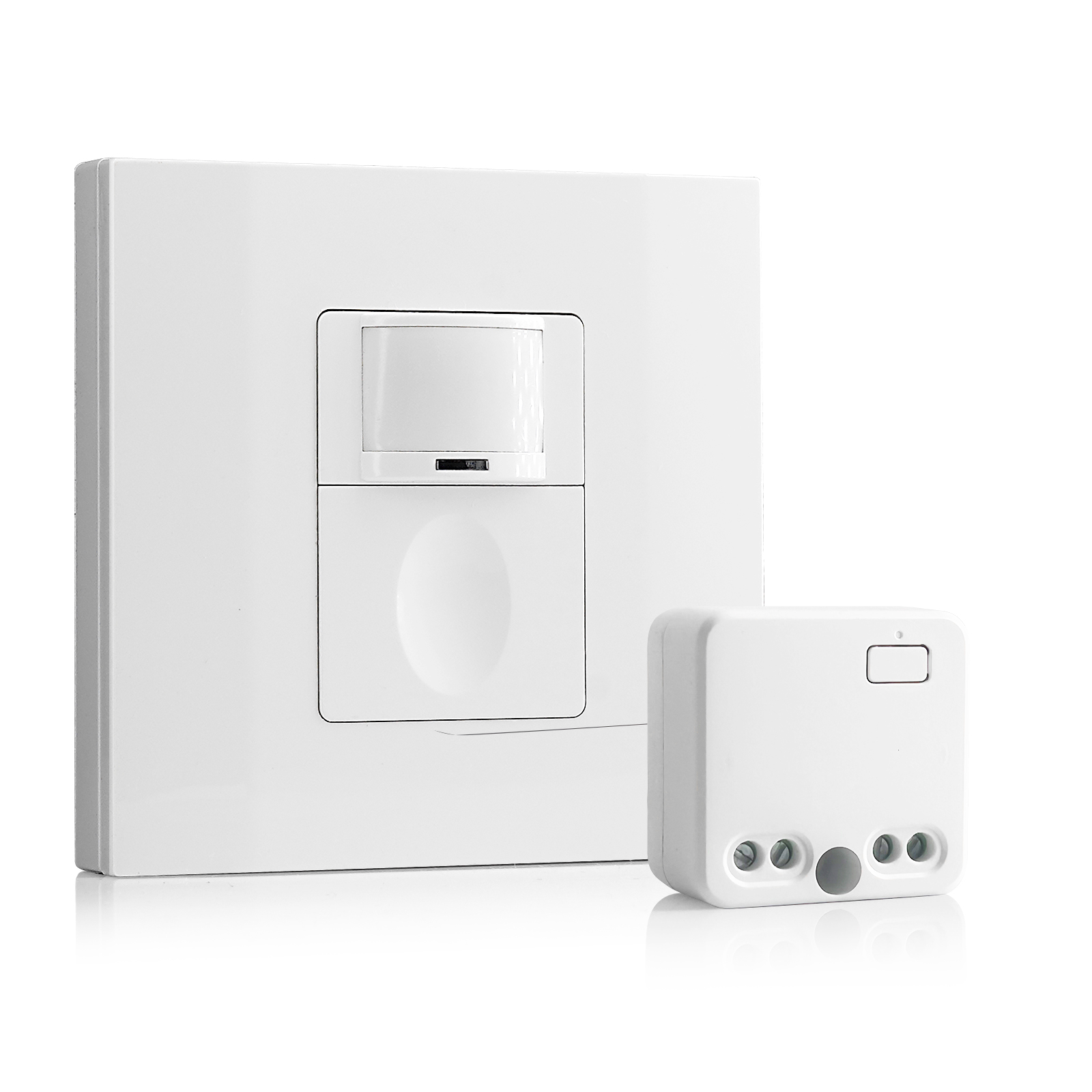
- 100V-230V CA
- Distancia de transmisión: hasta 20 m
- Sensor de movimiento inalámbrico
- Control cableado
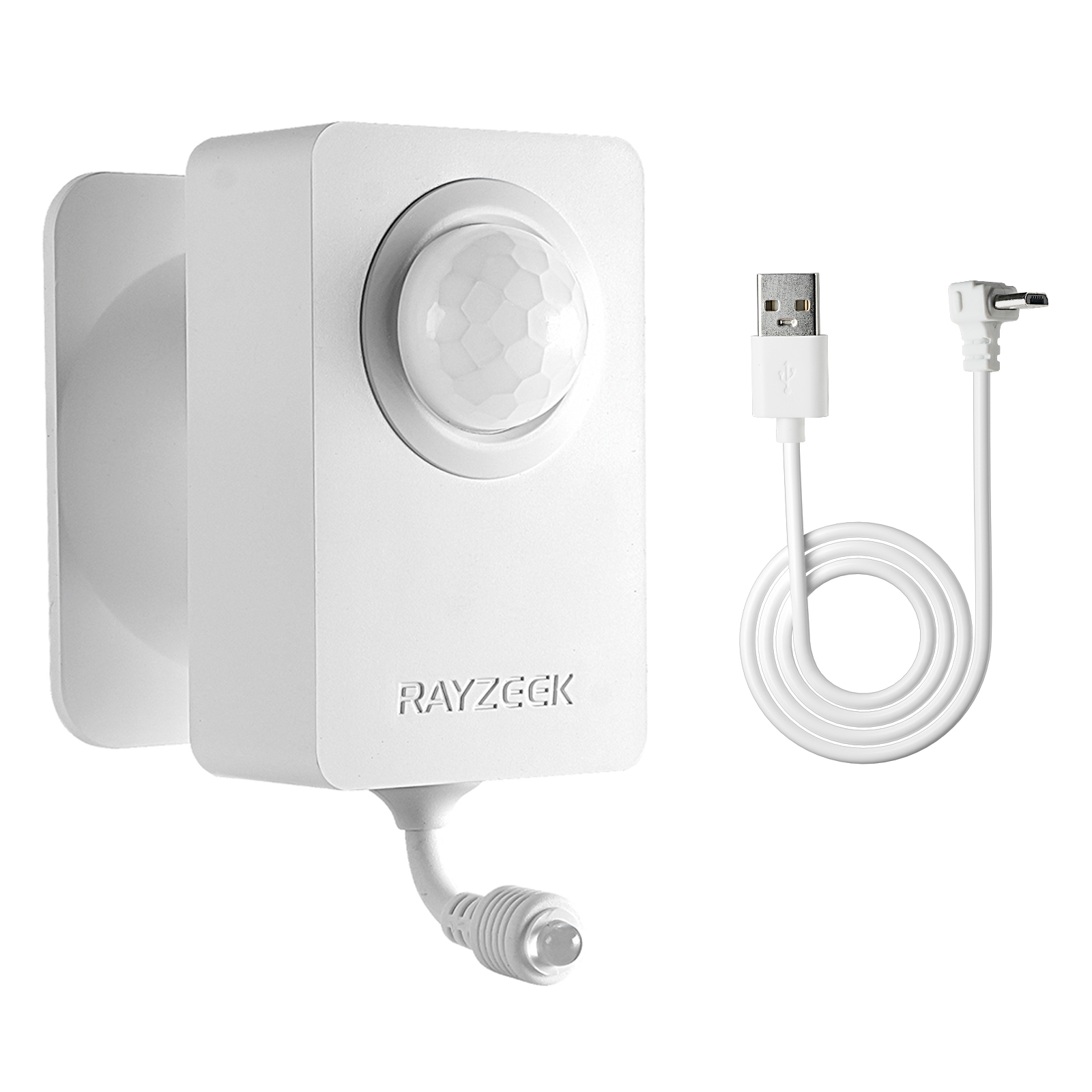
- Voltaje: 2 baterías AAA / 5V CC (Micro USB)
- Modo día/noche
- Tiempo de retardo: 15 min, 30 min, 1 h (por defecto), 2 h
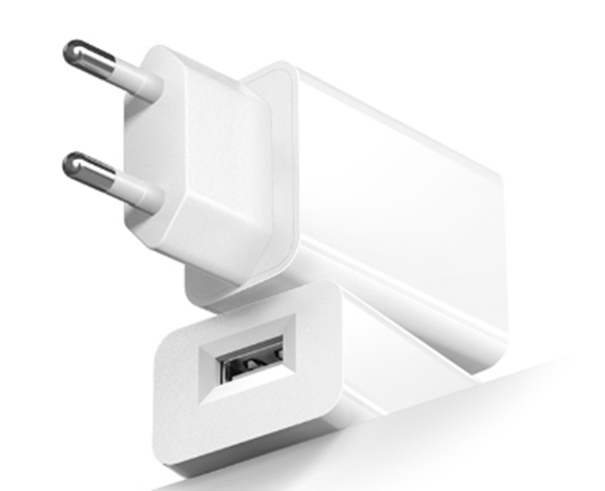
- Adaptador de corriente con enchufe de la UE
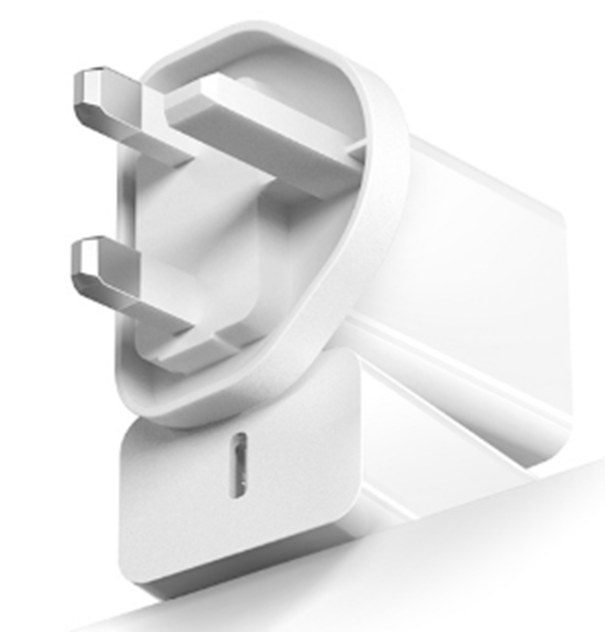
- Adaptador de corriente con enchufe del Reino Unido
Frequently Asked Questions
Is 3000K or 4000K Better for a Kitchen
4000K LED lights are typically preferred for kitchens as they provide a cooler and brighter color temperature, creating a more energizing atmosphere. In contrast, for bedrooms, a warmer color temperature like 2700K or 3000K may be more appropriate.
What Is the Best Lighting for Color Accuracy
Higher color temperature lamps in the range of 5000K to 5500K are the most suitable for achieving color accuracy. These lamps closely mimic the color temperature of summer sunlight, resulting in a more precise representation of colors and allowing for better color matching under natural outdoor lighting conditions.
What Color LED Lights Make You Look Better
People tend to appear most flattering when illuminated by LED lights that have a color temperature of approximately 2700 kelvins. Most light bulbs, including incandescent, compact fluorescent, halogen, and LED, are categorized as “soft white/warm white” (2700-3000 kelvins), “bright white/cool white” (3500-4100 kelvins), or “daylight” (5000-6500 kelvins).
Which Is Better Daylight or Cool White
On the contrary, cool white light has a temperature range of 3000 Kelvins to 4500 Kelvins. This temperature range suggests that higher temperatures result in brighter light. Therefore, when comparing daylight to cool white light, it can be concluded that daylight is significantly brighter.
Is Daylight or Cool White Better for Bathrooms
The ideal light color temperature for a bathroom is a balance between soft white and daylight. Soft white can have a yellowish tint, while daylight can appear bluish. It is important to create a bathroom environment that is both invigorating and comfortable, without being overly clinical.
Which Type of Light Has the Most Neutral Tone
4000K is a natural white color light that has a slight yellow tint. This makes it a popular choice for achieving a neutral tone, particularly in frequently used areas such as offices and homes.
Should Living Room Lighting Be Warm or Cool
Since cool lighting is ideal for tasks and simulating natural daylight, it is recommended for areas such as the kitchen, home office, craft room, and makeup area. On the other hand, warm white light is commonly linked to creating a relaxing atmosphere. Therefore, it is more suitable for spaces like the living room, bedroom, dining room, and den, where a cozy and warm ambiance is desired.
What LED Light Is Closest to Daylight
By definition, a LED bulb that emits light with a color temperature of 6500K, known as daylight white, will have a similar appearance to natural daylight.
Which Is Brighter Daylight or Bright White
If both daylight and bright white bulbs have the same lumen count, they will have equal brightness. However, you may perceive the daylight bulb as brighter due to its cooler temperature range in the blue spectrum. Colour temperatures are measured in Kelvin on a scale of 1,000 – 10,000.
What Is the Best LED Light Color to Use
Warm white or soft white lights in the 2700K-3000K range are recommended for creating a relaxing atmosphere and promoting a restful sleep. On the other hand, cool white lights in the 5000K-6500K range are ideal for enhancing productivity and concentration.







