
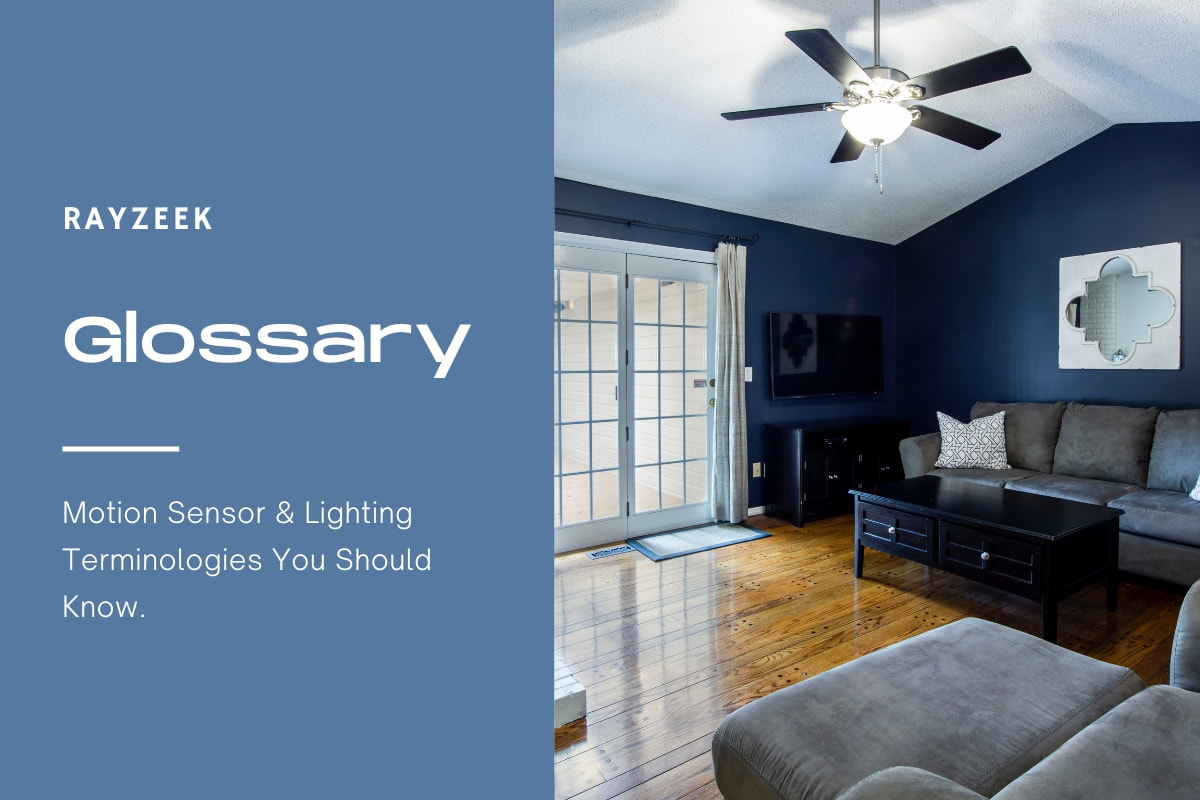
What is Photopic Lumens
Photopic lumens are the measurement of light output that takes into account the sensitivity of the human eye under intense lighting conditions. It is a term used to describe the amount of light that is perceived by the human eye. The cones in our eyes, which are the photoreceptor cells responsible for color vision and high-intensity light perception, are highly active during the day or when lighting conditions are expectedly high.
In simpler terms, photopic lumens indicate the amount of light that our eyes perceive under normal lighting conditions. It is a measure of the light’s visibility to the human eye, particularly in well-lit environments or during daylight. The term is used to quantify the brightness or intensity of light that is relevant to human vision.
Looking For Motion-Activated Energy-Saving Solutions?
Contact us for complete PIR motion sensors, motion-activated energy-saving products, motion sensor switches, and Occupancy/Vacancy commercial solutions.
Photopic lumens are just one aspect of lighting design and do not necessarily indicate the quality or effectiveness of the lighting. Other factors such as color rendering, light distribution, and visual comfort also play crucial roles in creating optimal lighting conditions.
Maybe You Are Interested In

- Αισθητήρας κατοχής PIR για τοποθέτηση στην οροφή με έξοδο αναλογικής επαφής χωρίς τάση
- 12/24VDC or 12/24VAC low-voltage supply
- COM, NO, and NC isolated relay contacts for EMS, HVAC, and building control inputs

- Low-voltage DC recessed ceiling-mounted microwave motion sensor switch
- 12 VDC / 24 VDC input with 10-30 VDC range
- 10A max work current with adjustable time delay, Lux threshold, and sensitivity
- Higher-load recessed ceiling-mounted microwave motion sensor switch
- 100-265 VAC line-voltage input, 10A model
- 5.8 GHz microwave sensing with adjustable time delay, Lux threshold, and sensitivity
- Recessed ceiling-mounted microwave motion sensor switch
- 100-265 VAC line-voltage input, 5A model
- 5.8 GHz microwave sensing with adjustable time delay, Lux threshold, and sensitivity
- Ceiling-mounted RZ037 PIR occupancy sensor dimmer for 220V power
- 3A maximum working current with 660W rated load
- LUX button controls light-sensor ON/OFF and user-set dimming brightness
- Ceiling-mounted RZ037 PIR occupancy sensor dimmer for 110V power
- 3A maximum working current with 330W rated load
- LUX button controls light-sensor ON/OFF and user-set dimming brightness

- Low-voltage DC ceiling-mounted microwave motion sensor switch
- 12 VDC / 24 VDC input with 10-30 VDC range
- 10A max work current with adjustable time delay, Lux threshold, and sensitivity
- Higher-load ceiling-mounted microwave motion sensor switch
- 100-265 VAC line-voltage input, 10A model
- 5.8 GHz microwave sensing with adjustable time delay, Lux threshold, and sensitivity
- Ceiling-mounted microwave motion sensor switch
- 100-265 VAC line-voltage input, 5A model
- 5.8 GHz microwave sensing with adjustable time delay, Lux threshold, and sensitivity

- Low-voltage DC recessed ceiling mount PIR motion sensor switch
- 12 VDC / 24 VDC input with 10-30 VDC range
- Max work current 10A with adjustable time delay, Lux threshold, and sensitivity

- Higher-load recessed ceiling mount PIR motion sensor switch
- 100-265 VAC line-voltage input, 10A model
- 360-degree detection with adjustable time delay, Lux threshold, and sensitivity
- Recessed ceiling mount PIR motion sensor switch
- 100-265 VAC line-voltage input, 5A model
- 360-degree detection with adjustable time delay, Lux threshold, and sensitivity

- Wireless switch and receiver kit for indoor ON/OFF lighting control
- 100-230VAC, 50/60Hz receiver with 5A rated current
- CR2032-powered wireless switch with 2.4GHz communication
- Occupancy (Auto-ON/Auto-OFF)
- 12–24V DC (10–30VDC), up to 10A
- 360° coverage, 8–12 m diameter
- Time delay 15 s–30 min
- Light sensor Off/15/25/35 Lux
- High/Low sensitivity
- Auto-ON/Auto-OFF occupancy mode
- 100–265V AC, 10A (neutral required)
- 360° coverage; 8–12 m detection diameter
- Time delay 15 s–30 min; Lux OFF/15/25/35; Sensitivity High/Low
- Auto-ON/Auto-OFF occupancy mode
- 100–265V AC, 5A (neutral required)
- 360° coverage; 8–12 m detection diameter
- Time delay 15 s–30 min; Lux OFF/15/25/35; Sensitivity High/Low
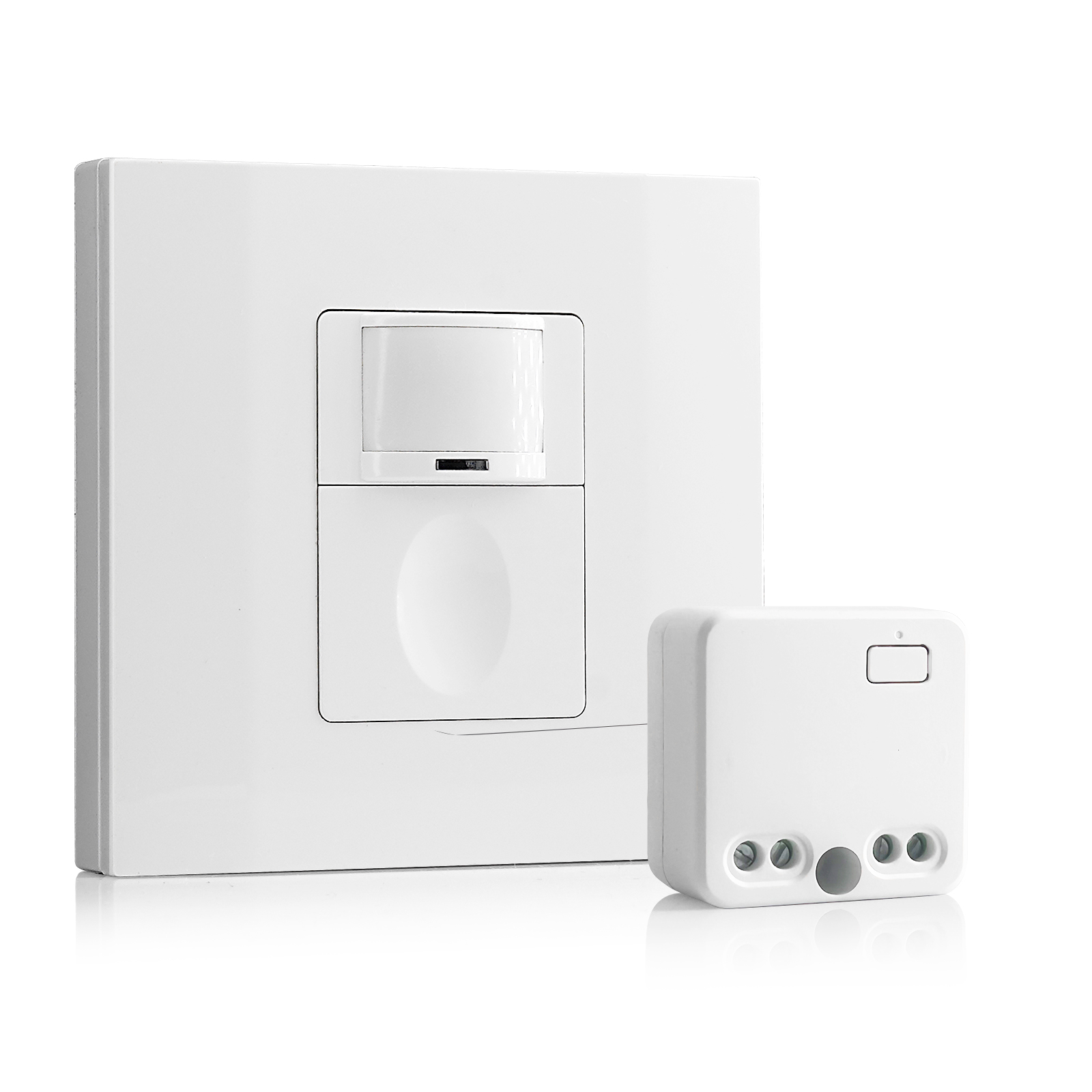
- 100V-230VAC
- Transmission Distance: up to 20m
- Wireless motion sensor
- Hardwired control
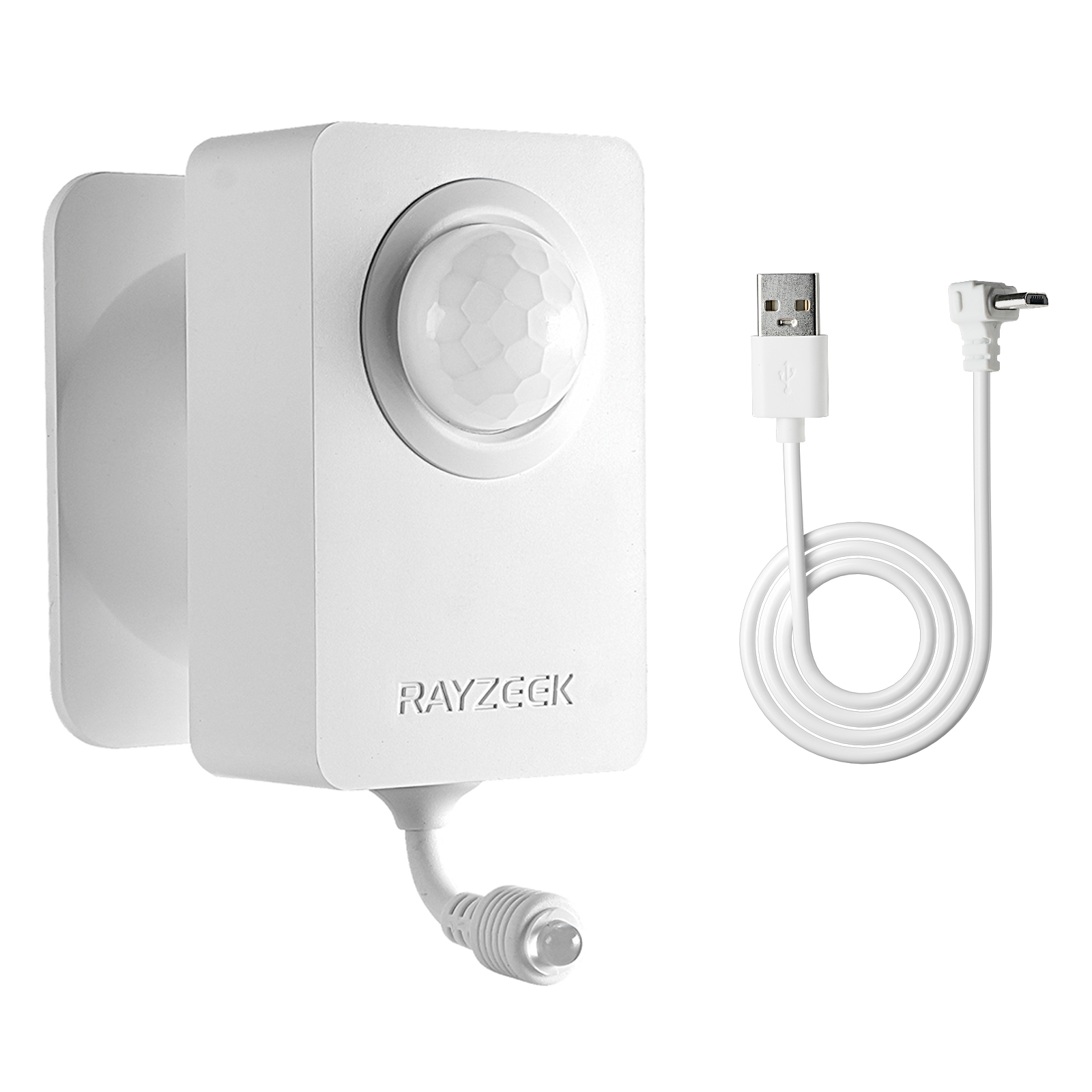
- Voltage: 2x AAA Batteries / 5V DC (Micro USB)
- Day/Night Mode
- Time delay: 15min, 30min, 1h(default), 2h
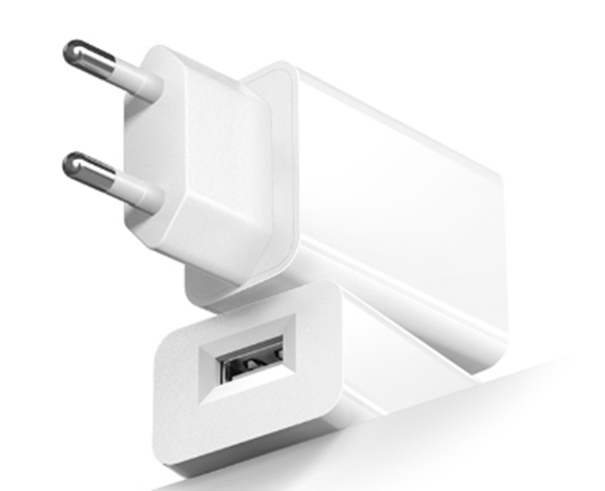
- EU plug power adapter
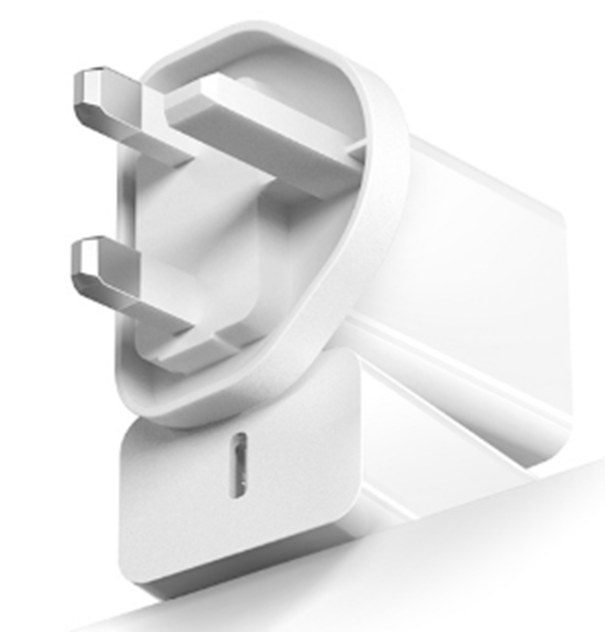
- UK plug power adapter
Frequently Asked Questions
How Many Lumens Is Good for Eyes
Below 3500 lumens, our eyes experience a comfortable level of brightness. However, once the brightness of direct or reflected light exceeds 4000 lumens, the human eye begins to have difficulty receiving the light.
Is Higher Lumens Always Better
If you intend to use the device outdoors or in a room with significant ambient light, a high lumen count is crucial. This also applies to scenarios where you are utilizing a projector in a spacious area and/or need a larger screen size.
How Many Lumens Is Considered Very Bright
80 lumens is typically considered bright enough for most walkways, including commercial properties. When it comes to garden lights used for accent lighting, a generally sufficient amount is around 50 lumens. This level of brightness can help enhance safety, add dimension, bring in color, and create visual interest in your yard.







