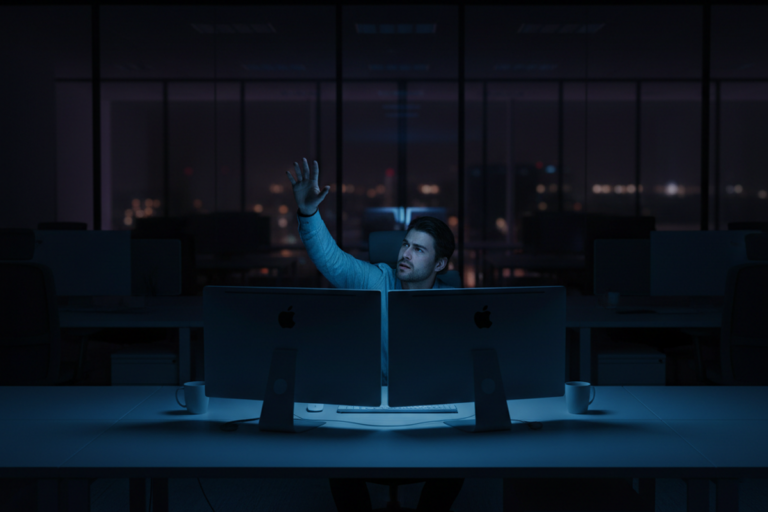
The “Tape-Over” Audit: Commissioning Rayzeek Sensors to Survive Reality
Rayzeek sensors must be commissioned for real occupants, not showroom defaults. Tune for humans, not watts, and keep the tape in the truck.


Rayzeek sensors must be commissioned for real occupants, not showroom defaults. Tune for humans, not watts, and keep the tape in the truck.

Rayzeek explains why typical package room sensors leave residents in the dark, and how Dual-Technology (PIR plus Ultrasonic) sensing keeps lights on when lockers block sight. The approach avoids cloud dependence and aligns safety with energy efficiency in obstructed spaces.

Lighting library stacks requires focusing on vertical surfaces, not floor brightness. The piece explains how batwing optics, proper sensor strategies, and dim-to-warm controls improve visibility, reduce glare, and protect archival materials while saving energy.
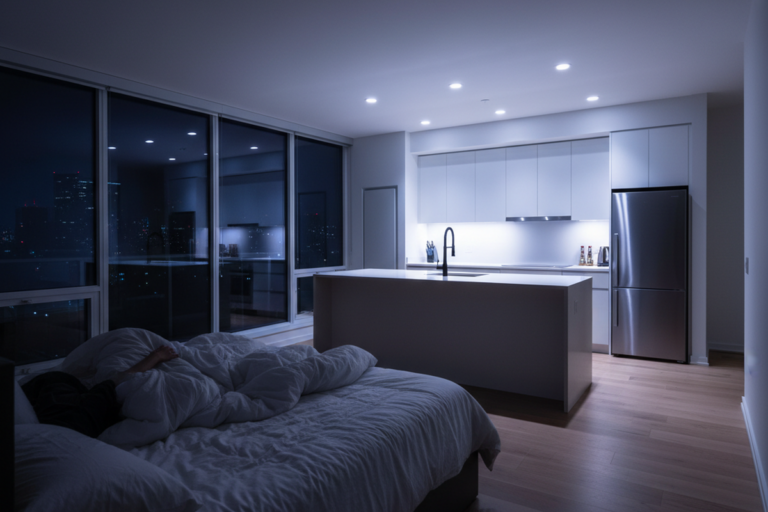
Stadium-level lighting in open-plan studios disrupts sleep by flooding the space with glare. The remedy is practical: switch to vacancy mode, mask the sensor’s view, and favor warm-dim lighting to reclaim darkness and calm nights.

Rayzeek explains how standard energy sensors can plunge patient rooms into darkness, eroding trust in care. Dual-Technology sensors with vacancy-mode control keep lights on when needed, preserving privacy and patient comfort.
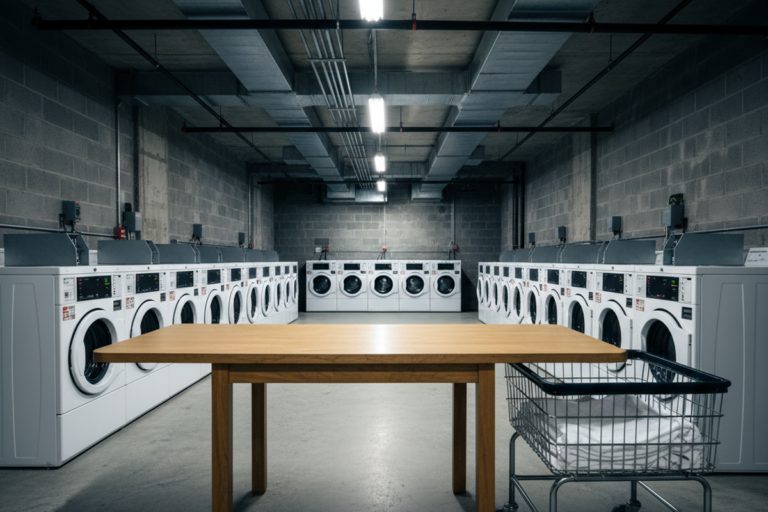
Rayzeek reveals why laundry room lights die during folding and how corner-mounted Dual-Tech sensors keep the space bright and safe. Cheap PIRs miss micro-motions and misread room activity, but a proper install saves energy and reduces tenant churn.
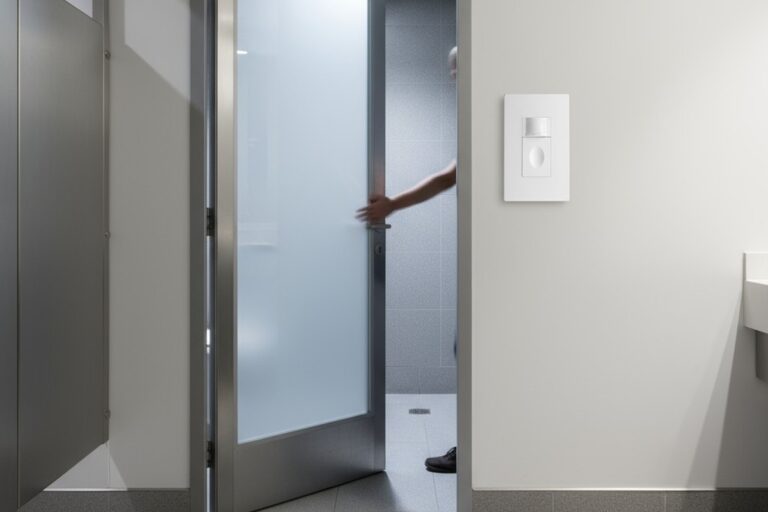
A motion sensor’s time delay is a critical setting that balances energy efficiency with user comfort. Understanding how to calibrate this grace period prevents frustrating false-offs while ensuring lights and HVAC systems don’t waste power in empty rooms.

Relying on memory to turn off an 850°F soldering iron is a gamble you will eventually lose. The human brain is a poor safety device, prone to distraction. Instead of relying on fallible smart plugs or routines, the most robust solution is a simple, hard-wired motion sensor that defaults to safety, creating a true ‘dead-man’s bench’ for your workshop.
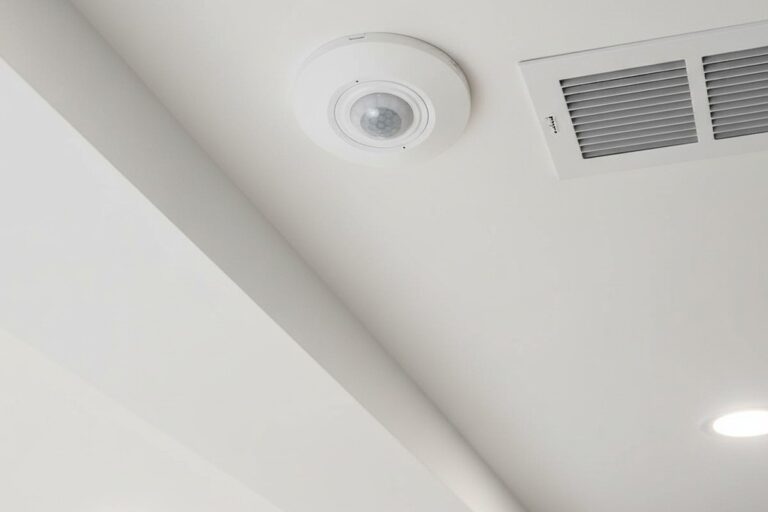
Placing motion switches on the walls of an open basement is a common design flaw. Structural columns and furniture create blind spots, causing lights to turn off unexpectedly. The solution is to move the sensor to the ceiling, providing a top-down, 360-degree view that eliminates these ‘shadow cones’ and offers a more reliable, hands-free lighting experience.
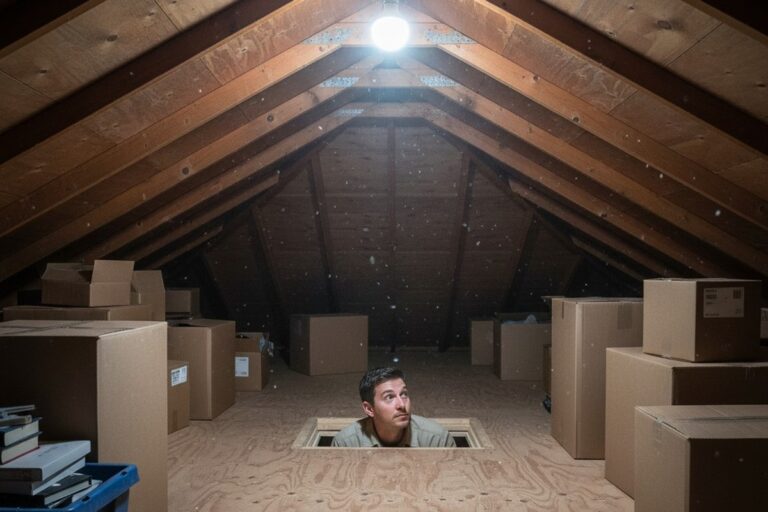
Relying on a pull-string light in your attic is a dangerous and outdated practice. The transition from a ladder to the attic floor is a critical fall risk, made worse by darkness. A simple, screw-in motion sensor adapter provides a passive safety upgrade, automatically lighting the space before you enter and eliminating the hazard without complex wiring or unreliable batteries.