
What is BUG Rating
Bug rating is a measurement system used to evaluate the performance of nighttime luminaires. It is a lingo specifically used in the lighting industry and is part of the BUG lighting classification system, which was developed by the Illuminating Engineering Society (IES) and the International Dark Sky Association.
The BUG lighting classification system was created to assess outdoor light fixtures and their performance in terms of three types of stray light: Backlight, Uplight, and Glare. The term “BUG” is an acronym for these three types of stray light.
Backlight refers to the light emitted behind the fixture, causing a glow or halo effect. Uplight refers to the light emitted upward from the fixture, contributing to light pollution and skyglow. Glare refers to the excessive brightness or discomfort caused by the light fixture, affecting visibility and creating visual discomfort.
Maybe You Are Interested In

- Ceiling-mounted PIR occupancy sensor with dry-contact relay output
- 12/24VDC or 12/24VAC low-voltage supply
- COM, NO, and NC isolated relay contacts for EMS, HVAC, and building control inputs

- Low-voltage DC recessed ceiling-mounted microwave motion sensor switch
- 12 VDC / 24 VDC input with 10-30 VDC range
- 10A max work current with adjustable time delay, Lux threshold, and sensitivity
- Higher-load recessed ceiling-mounted microwave motion sensor switch
- 100-265 VAC line-voltage input, 10A model
- 5.8 GHz microwave sensing with adjustable time delay, Lux threshold, and sensitivity
- Recessed ceiling-mounted microwave motion sensor switch
- 100-265 VAC line-voltage input, 5A model
- 5.8 GHz microwave sensing with adjustable time delay, Lux threshold, and sensitivity
- Ceiling-mounted RZ037 PIR occupancy sensor dimmer for 220V power
- 3A maximum working current with 660W rated load
- LUX button controls light-sensor ON/OFF and user-set dimming brightness
- Ceiling-mounted RZ037 PIR occupancy sensor dimmer for 110V power
- 3A maximum working current with 330W rated load
- LUX button controls light-sensor ON/OFF and user-set dimming brightness

- Low-voltage DC ceiling-mounted microwave motion sensor switch
- 12 VDC / 24 VDC input with 10-30 VDC range
- 10A max work current with adjustable time delay, Lux threshold, and sensitivity
- Higher-load ceiling-mounted microwave motion sensor switch
- 100-265 VAC line-voltage input, 10A model
- 5.8 GHz microwave sensing with adjustable time delay, Lux threshold, and sensitivity
- Ceiling-mounted microwave motion sensor switch
- 100-265 VAC line-voltage input, 5A model
- 5.8 GHz microwave sensing with adjustable time delay, Lux threshold, and sensitivity

- Low-voltage DC recessed ceiling mount PIR motion sensor switch
- 12 VDC / 24 VDC input with 10-30 VDC range
- Max work current 10A with adjustable time delay, Lux threshold, and sensitivity

- Higher-load recessed ceiling mount PIR motion sensor switch
- 100-265 VAC line-voltage input, 10A model
- 360-degree detection with adjustable time delay, Lux threshold, and sensitivity
- Recessed ceiling mount PIR motion sensor switch
- 100-265 VAC line-voltage input, 5A model
- 360-degree detection with adjustable time delay, Lux threshold, and sensitivity

- Wireless switch and receiver kit for indoor ON/OFF lighting control
- 100-230VAC, 50/60Hz receiver with 5A rated current
- CR2032-powered wireless switch with 2.4GHz communication
- Occupancy (Auto-ON/Auto-OFF)
- 12–24V DC (10–30VDC), up to 10A
- 360° coverage, 8–12 m diameter
- Time delay 15 s–30 min
- Light sensor Off/15/25/35 Lux
- High/Low sensitivity
- Auto-ON/Auto-OFF occupancy mode
- 100–265V AC, 10A (neutral required)
- 360° coverage; 8–12 m detection diameter
- Time delay 15 s–30 min; Lux OFF/15/25/35; Sensitivity High/Low
- Auto-ON/Auto-OFF occupancy mode
- 100–265V AC, 5A (neutral required)
- 360° coverage; 8–12 m detection diameter
- Time delay 15 s–30 min; Lux OFF/15/25/35; Sensitivity High/Low
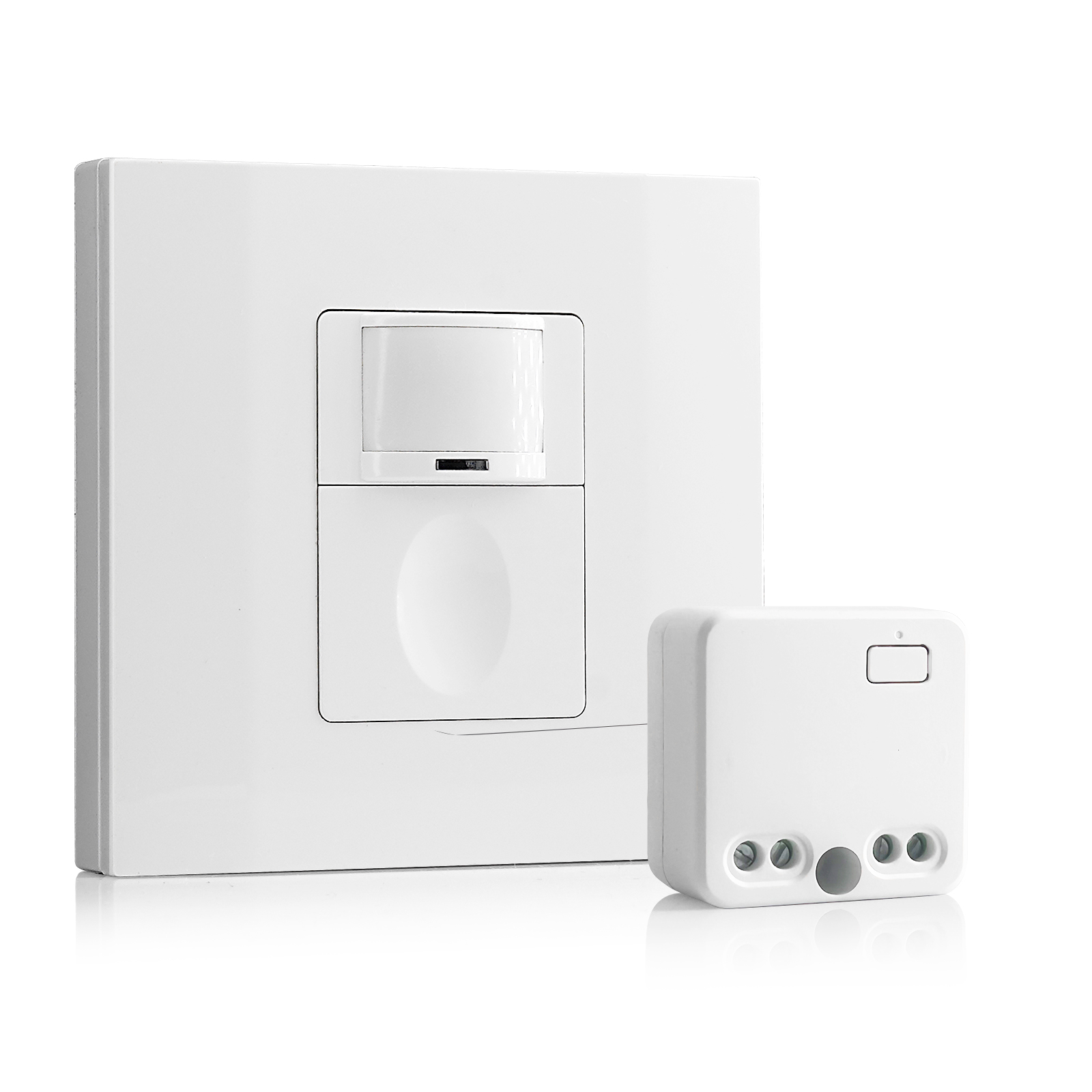
- 100V-230VAC
- Transmission Distance: up to 20m
- Wireless motion sensor
- Hardwired control
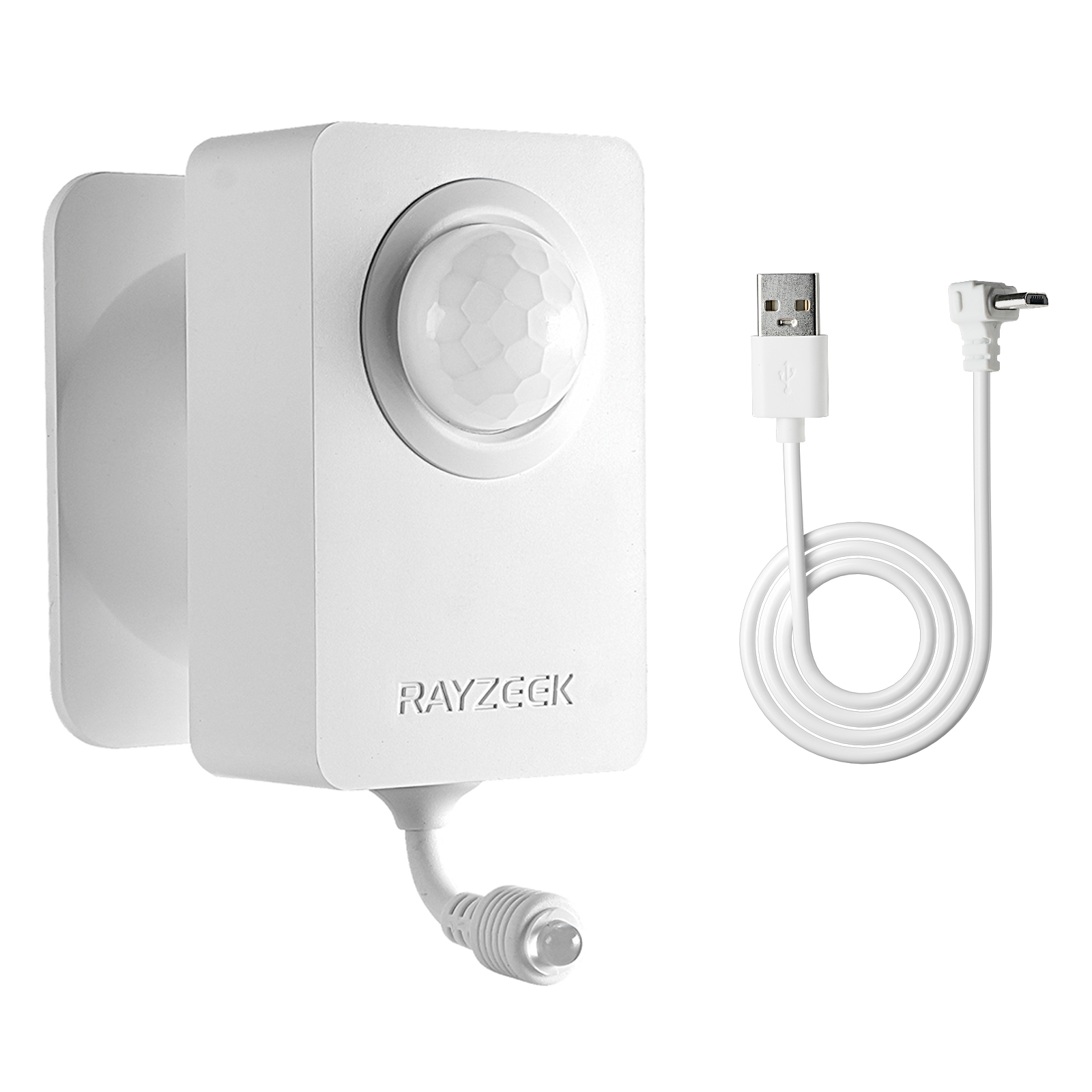
- Voltage: 2x AAA Batteries / 5V DC (Micro USB)
- Day/Night Mode
- Time delay: 15min, 30min, 1h(default), 2h
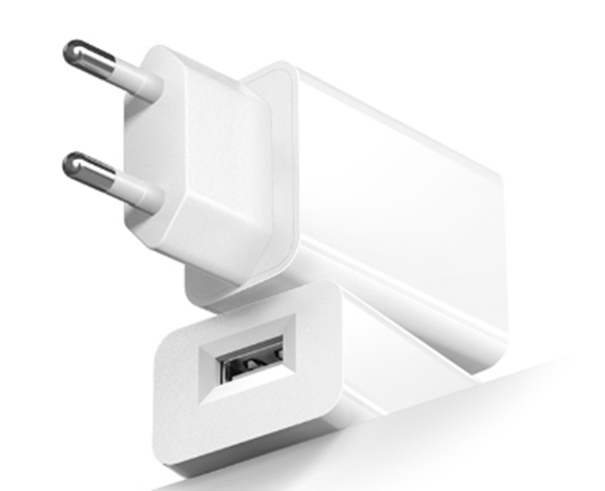
- EU plug power adapter
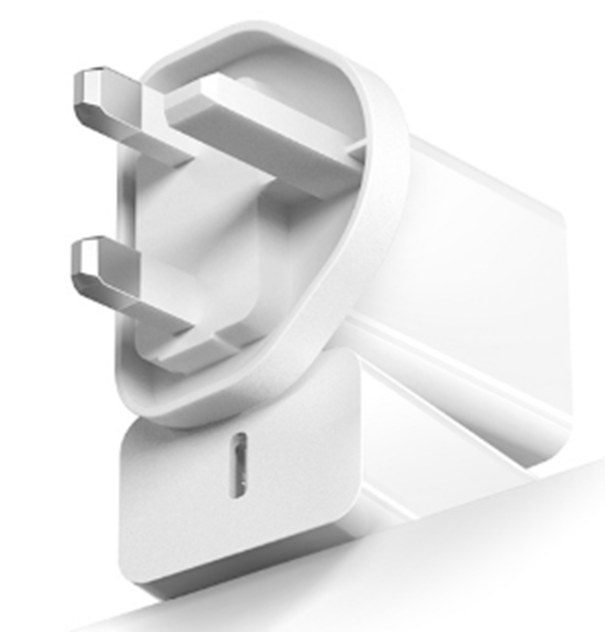
- UK plug power adapter
The Bug Rating system helps quantify and classify the performance of a luminaire in terms of these three types of stray light. It is typically expressed as a combination of three letters, each representing the level of stray light in a specific category. The letters are assigned a value ranging from 0 to 5, with 0 indicating no stray light and 5 indicating the highest level of stray light. A lower Bug Rating indicates better control over light distribution and reduced light pollution.
Get Inspired by Rayzeek Motion Sensor Portfolios.
Doesn't find what you want? Don't worry. There are always alternate ways to solve your problems. Maybe one of our portfolios can help.
By using the Bug Rating system, lighting professionals and designers can make informed decisions about the selection and placement of outdoor light fixtures. They can choose luminaires with lower Bug Ratings to minimize the negative impact of stray light and reduce light pollution while still meeting the specific lighting requirements of the application.
Frequently Asked Questions
What Is an Example of a BUG Rating
For instance, a light with 136 lumens in zone BH would be classified as a B1 rating for that specific sub-zone. In the case where it had an output of 930 lumens in zone BM and 985 lumens in zone BL, the overall backlight rating would be categorized as B2, as it represents the highest backlight value among the sub-zones.
How Is BUG Rating Determined
Simply put, a BUG rating is a measurement that determines the direction of light emitted from a fixture, particularly during nighttime in outdoor areas such as parking lots. The definition of BUG ratings is provided by the Illuminating Engineering Society (IES), and their enforcement is carried out by the International Dark-Sky Association (IDA).
What Is the Acronym for BUG Light
In relation to these ratings, the term “BUG” stands for Backlight, Uplight, and Glare.







